
Denver’s Downtown at a Crossroads
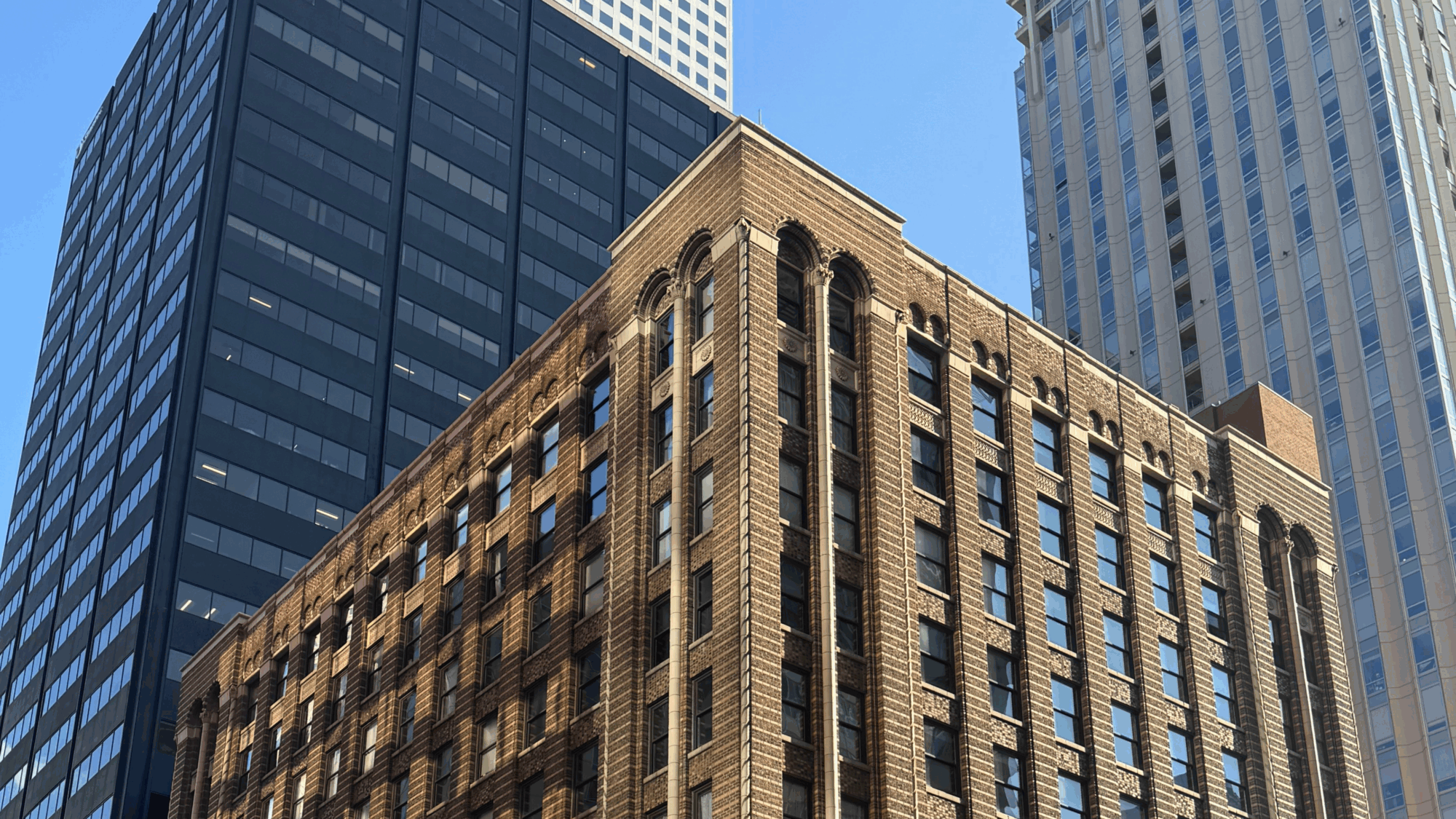
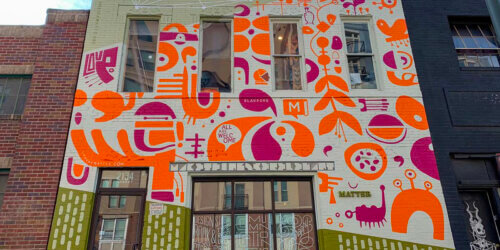
View of the buildings in Downtown Denver, October 2025.
Downtown Denver is in a moment of profound transition. Like San Francisco, Seattle, Chicago, and many other city centers across the U.S., the post-pandemic landscape has shifted dramatically. Office towers sit half-empty, long-term vacancies linger, and the rhythms that once defined the area haven’t fully returned. But within this disruption lies a rare window of opportunity, especially for artists, creative entrepreneurs, and community-rooted organizations.
Nearly seven million square feet of downtown office space is currently vacant. That’s an enormous amount of room, not simply for new tenants, but for new ideas about what downtown is for and who gets to shape its future.
And Denver is responding. The city’s newly formed Downtown Development Authority is explicitly focused on reimagining the area’s economic and cultural potential, with tools designed to support new uses for these underutilized spaces. For the arts community, this presents a chance to access not just temporary pop-up venues, but long-term footholds in places that have historically been out of reach.
This right here is the intersection where the arts meet developers. And it’s where CAST’s experience becomes especially valuable in bridging the gap.

A Mirror to The Bay
As a Bay Area–based organization, much of what we’re seeing in Denver feels familiar. Downtown Denver is still navigating its post-pandemic identity. Office vacancy in the area reached 35.3% at the start of 2025 and climbed to about 36.8% by midyear. Downtown San Francisco and Oakland are navigating similar cycles of vacancy, opportunity, and uncertainty. Downtown San Francisco’s office vacancy rate was about 35.1% in the second quarter of 2025, marking one of the nation’s highest, with neighboring Bay Area cities like Oakland and San José showing similarly elevated rates. In both regions, artists and cultural workers face rising costs, unstable commercial real estate markets, and the pressure of speculation, yet they also bring the exact kind of energy, creativity, and community connection that downtown districts urgently need.
Both cities are asking the same questions: What does revitalization look like when it’s led by artists instead of capital alone? How do we create pathways for long-term stewardship rather than short bursts of activity? And how do we ensure that developers, policymakers, and arts communities actually understand one another?
CAST CEO Ken Ikeda reflects on the lessons from the Bay and the opportunities ahead:
“Our experience in the Bay Area has shown us that these kinds of moments are fragile and full of possibility. Bringing together artists, developers and city leaders takes translation, coordination, and trust-building between sectors that don’t naturally speak the same language. That’s why expanding into Colorado feels so urgent. We have the chance to help shape how these conversations happen before patterns of inequity harden again.”
A Window of Opportunity
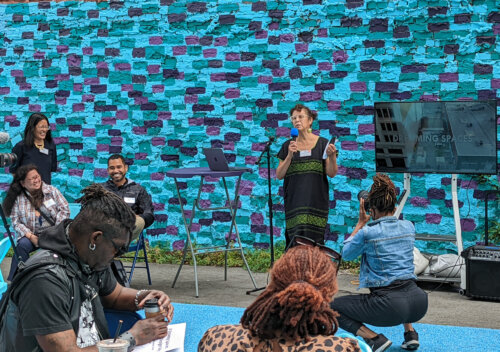
Denver is already experimenting with new ways to bring life back to underused spaces. The Biennial of the Americas’ Writer Square activation, for example, transformed a plaza once dominated by retail fronts into a vibrant hub for arts and community. It’s a glimpse into what can happen when city leaders, artists, and cultural organizations come together to reimagine downtown.

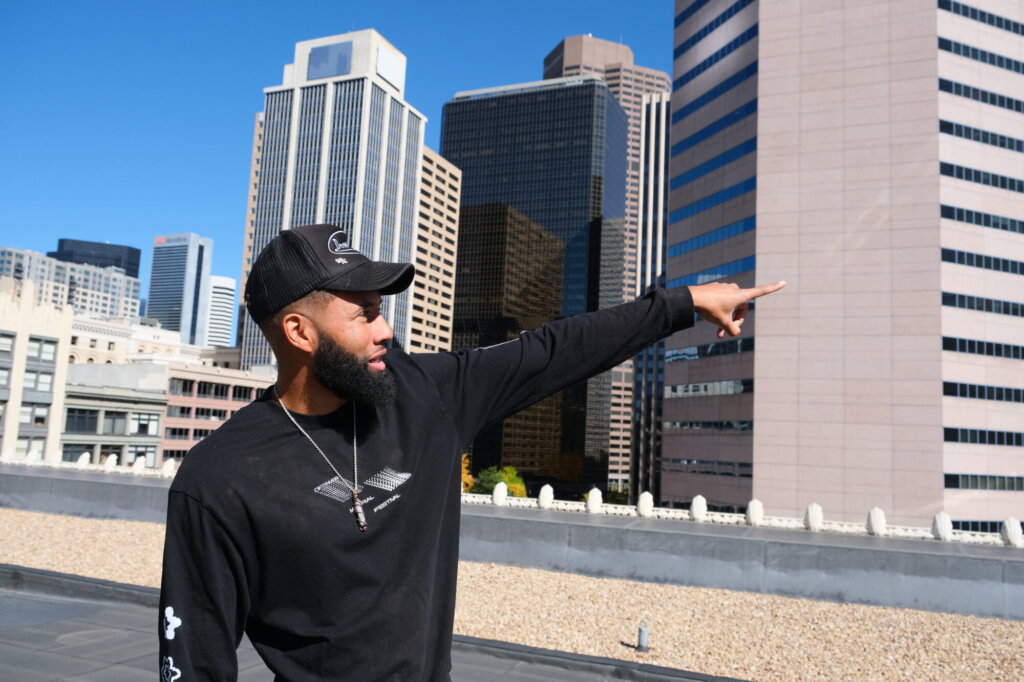
One of the people helping define what’s possible in this moment is Jevon Taylor, CEO of multi-purpose coworking space for artists, entrepreneurs, and community leaders, Green Spaces. We met with Jevon inside the future home of Green Spaces on 16th Street, once a bustling shopping corridor with music, buskers and small businesses. It has, in recent years, been whittled down to big-box stores and chains with little personality. Standing inside the raw space, surrounded by empty units and sunlight reflecting off unused office windows, Jevon sees real potential in reinventing these vacant spaces.
“There’s seven million vacant square feet downtown, and I would like for them to create more opportunities for creatives and small businesses to really participate in the economy. Right now, there’s a lot of just opportunity that is being sat on. How do we get organizations like Green Spaces, like CAST, like Biennial of the Americas, to really start filling up these spaces with our communities and with really dope creatives that just need the opportunity?”
Interview with Jevon Taylor
Jevon isn’t approaching this from the outside. He’s Denver-born, raised, and deeply rooted. He talked about being a bridge between two worlds, creatives who have never felt welcome downtown, and developers and city agencies now looking for solutions to spaces that have been empty for years.
“I was once that small business who really didn’t know how to break the scene or get in a prominent location. And I feel like when you give people a chance to be in a space for a year or two and gain their own community, and get creative, and take the [losses] along the way…I think that goes further than you could ever expect. It’s like the creative gold rush of America where every downtown is kind of going through the same issue.”
What Jevon sees aligns with what we’ve heard from artists and organizers across Denver: opportunity is everywhere, but access is not.
Translating Across Communities

CAST was invited to Colorado because of this exact challenge. Developers want activated buildings and a secure investment. Artists want long-term stability and space to create without fear of displacement. The city wants a downtown that feels alive again. These interests overlap, but without translation, alignment, and sources of capital, the opportunities stall.
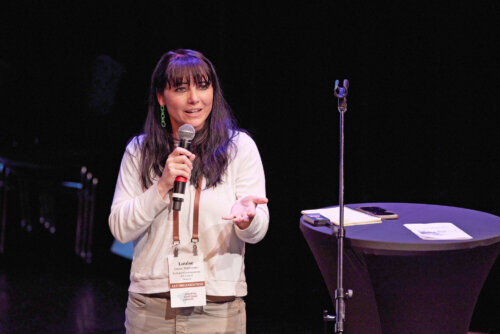
“In moments like this, CAST’s role really is about bridging the gap,” says CAST Managing Director of National Programs Louise Martorano. “We support artists as they navigate agreements, advocate for sustainable timelines, and help developers understand why creatives are more than ‘filler tenants’ during down cycles.”
This work isn’t about quick fixes, it’s about building structures that allow artists to stay long enough to shape the future of a district.
Looking Ahead
As we continue this Breaking Ground: Colorado series, we’ll keep following stories like Jevon’s and explore what it will take to turn this moment into long-term opportunity. The coming chapters will take us deeper into the structures, agreements, and lived experiences shaping creative life across the region.
We’re still early in this learning process, yet each conversation, site visit, and story is helping us understand what it takes to build lasting space for artists in Denver and spark solutions that could be adapted elsewhere.
Read the series
This is an ongoing series following CAST’s expansion into Colorado. Follow along for the lessons we’re learning as we develop affordable space opportunities for and with artists and creatives on the ground.
- Securing Space
Breaking Ground: A New Chapter in the Rockies
This next chapter of Breaking Ground follows CAST’s expansion into Colorado, where we’re deepening our focus on affordable space for arts and culture.