

Overview
Beginning in 2022, the Filipino American Development Foundation (opens in new tab) (FADF) initiated a search for a permanent facility to stabilize and expand its delivery of culturally specific services for the Filipino American community in San Francisco.
A cornerstone community organization in the SOMA Pilipinas Cultural District since 1997, FADF was driven by sustained real estate pressures and a strategic shift toward long-term asset control to support direct service providers, including youth education, mental health care, and community-based cultural programming.
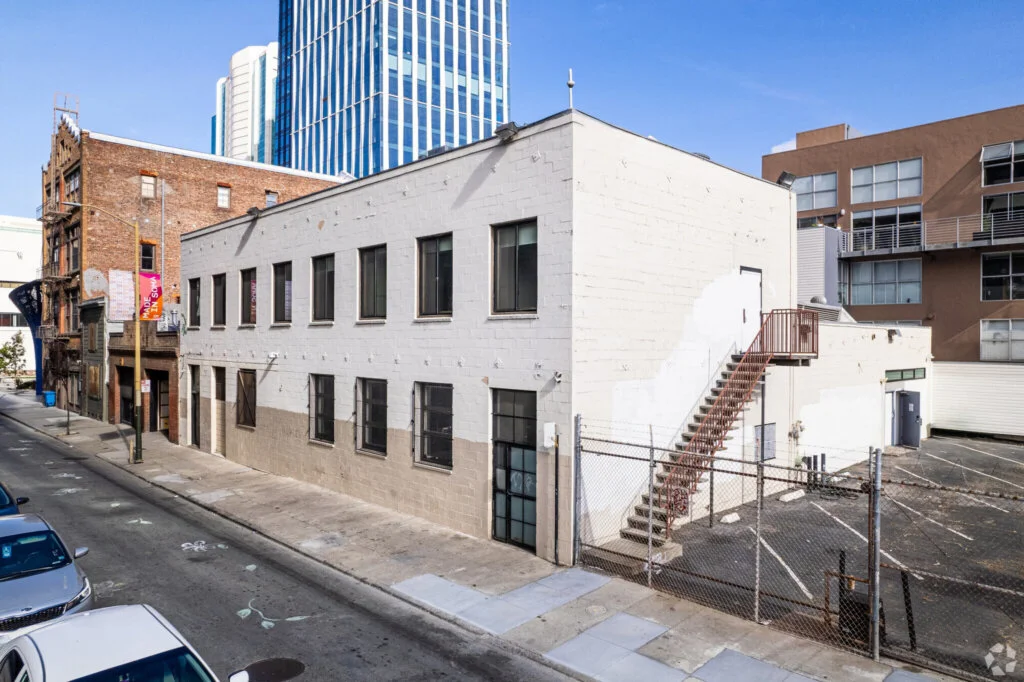
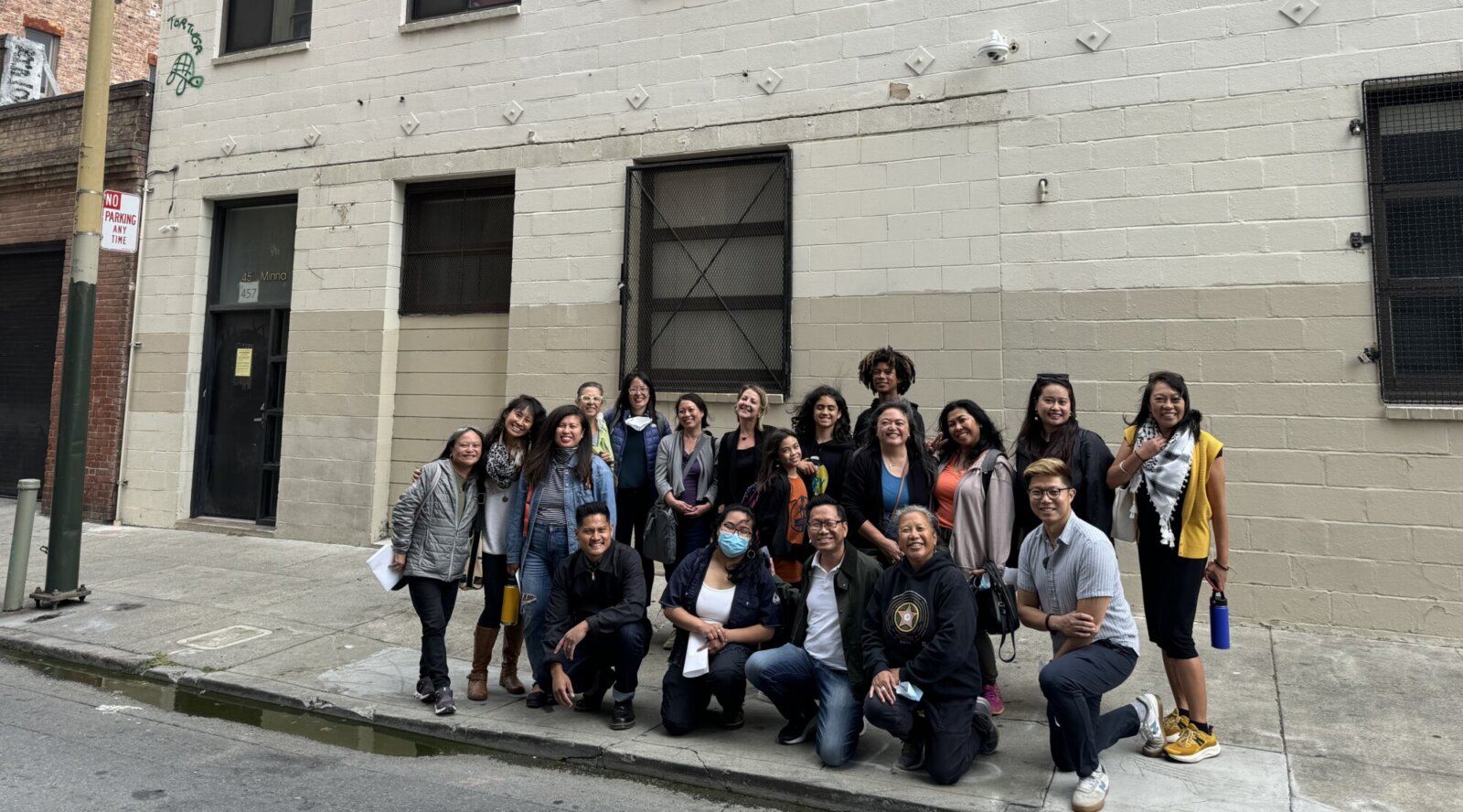
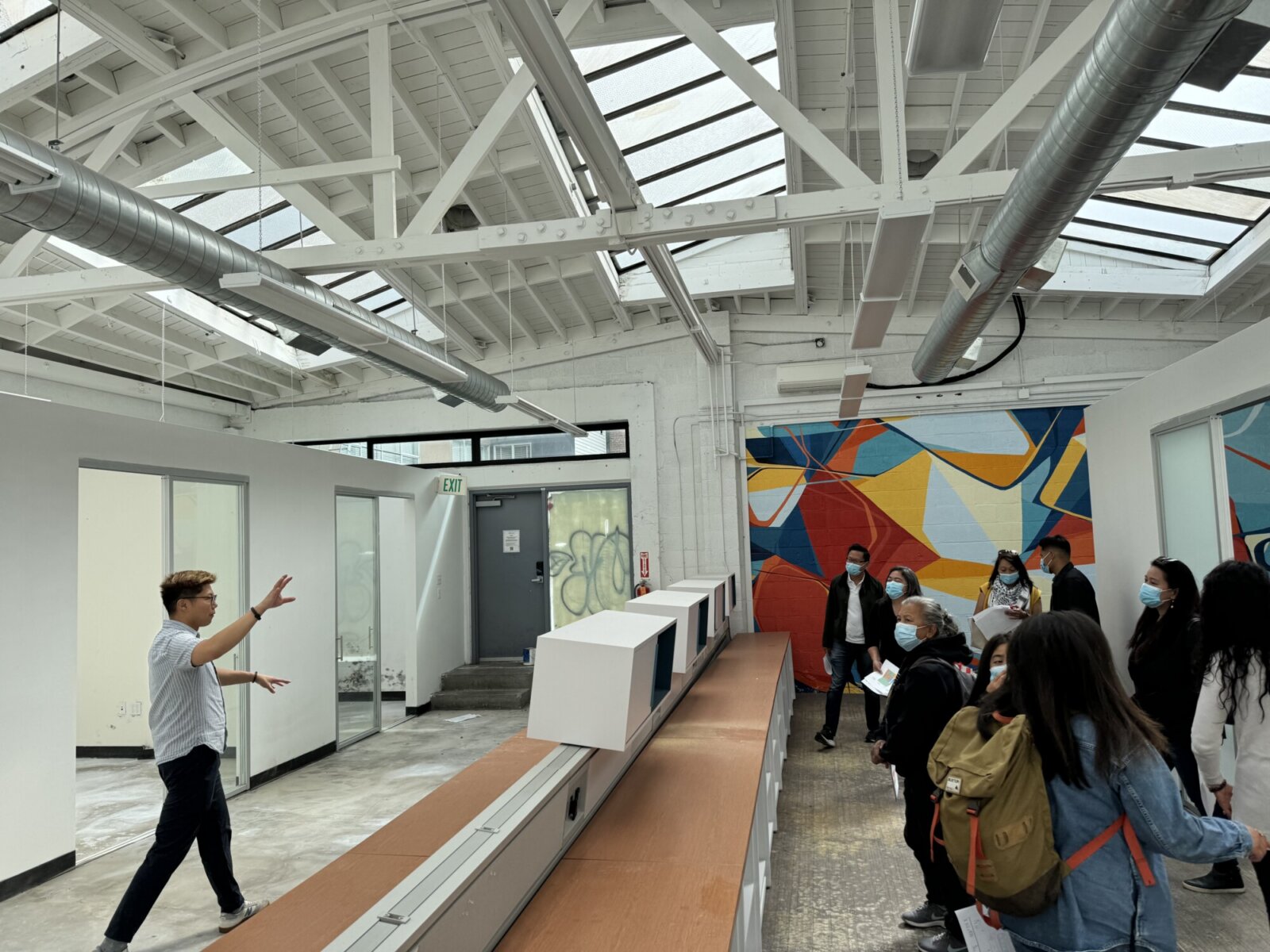
457 Minna Street and its adjacent parking lot were due to be redeveloped into a large co-living tower before the pandemic caused a loss of funding and eventual foreclosure. Post-pandemic office vacancies and backing from the city’s API Equity Fund provided an opportunity for nonprofits serving the AAPI community to acquire buildings like 457 Minna in SOMA and the Tenderloin.
The building’s central location ensures accessibility for low-income families, seniors, and other community members, further integrating it into the vibrant network of other Filipino cultural institutions in SOMA.
Our Approach
After first connecting in December 2022, FADF and CAST formally partnered in early 2023 in response to a request for proposals from the San Francisco Mayor’s Office of Housing and Community Development (opens in new tab) (SFMOHCD). By March, they submitted a joint application, with CAST providing development services, underwriting, and transaction structuring to support site control and feasibility.
By December 2024, FADF successfully acquired 457 Minna Street, a 7,510-square-foot building with an adjacent 5,625-square-foot lot financed through a layered capital stack combining a $2.89 million grant from the API Equity Fund, $1 million from CAST, and $400,000 in direct investment from FADF. The API Equity Fund (opens in new tab), established through advocacy led by SOMA Pilipinas (opens in new tab) and the API Council (opens in new tab), represents a targeted public investment strategy to address displacement and support long-term stabilization of API-serving institutions.
Impact
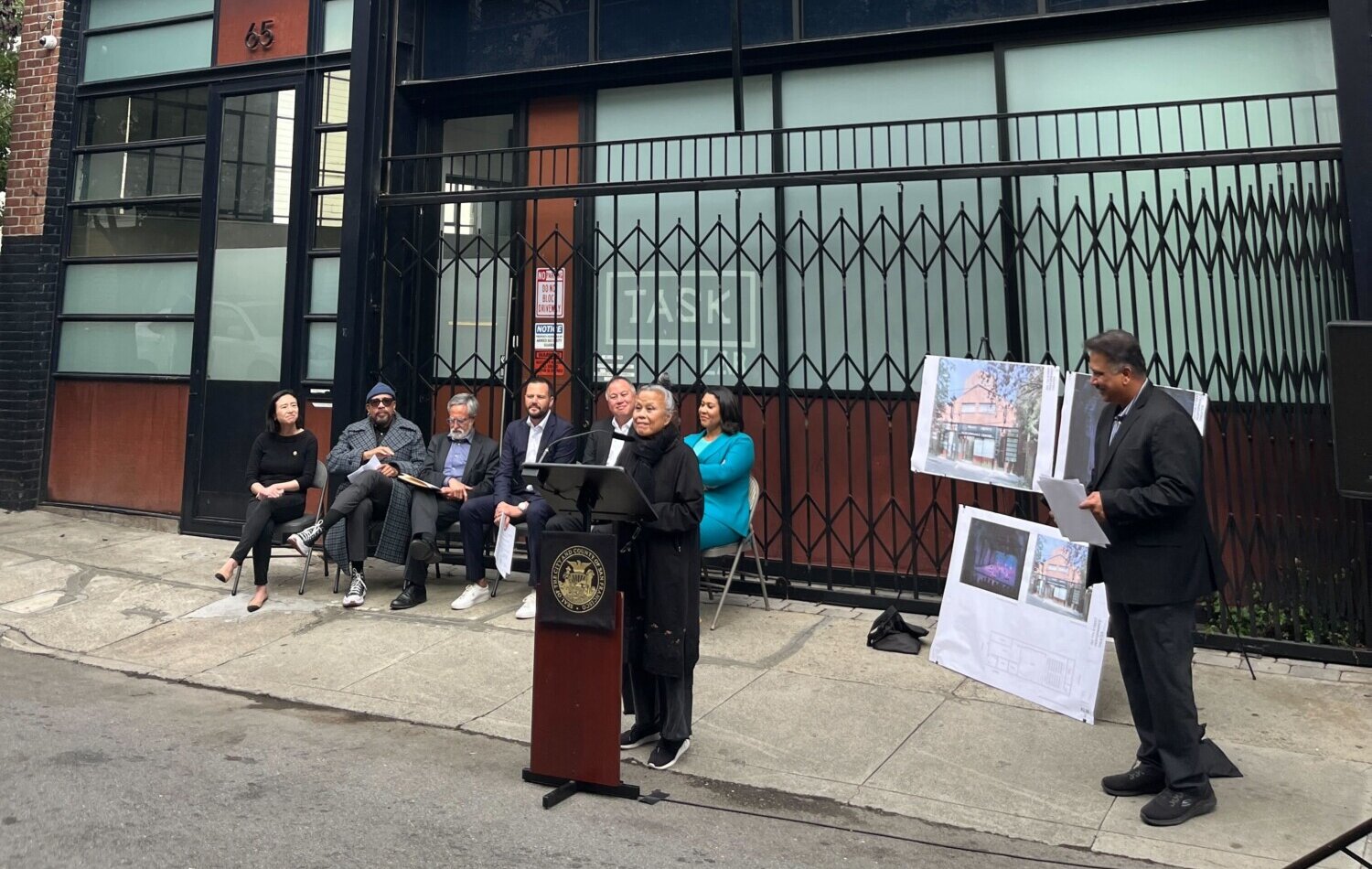
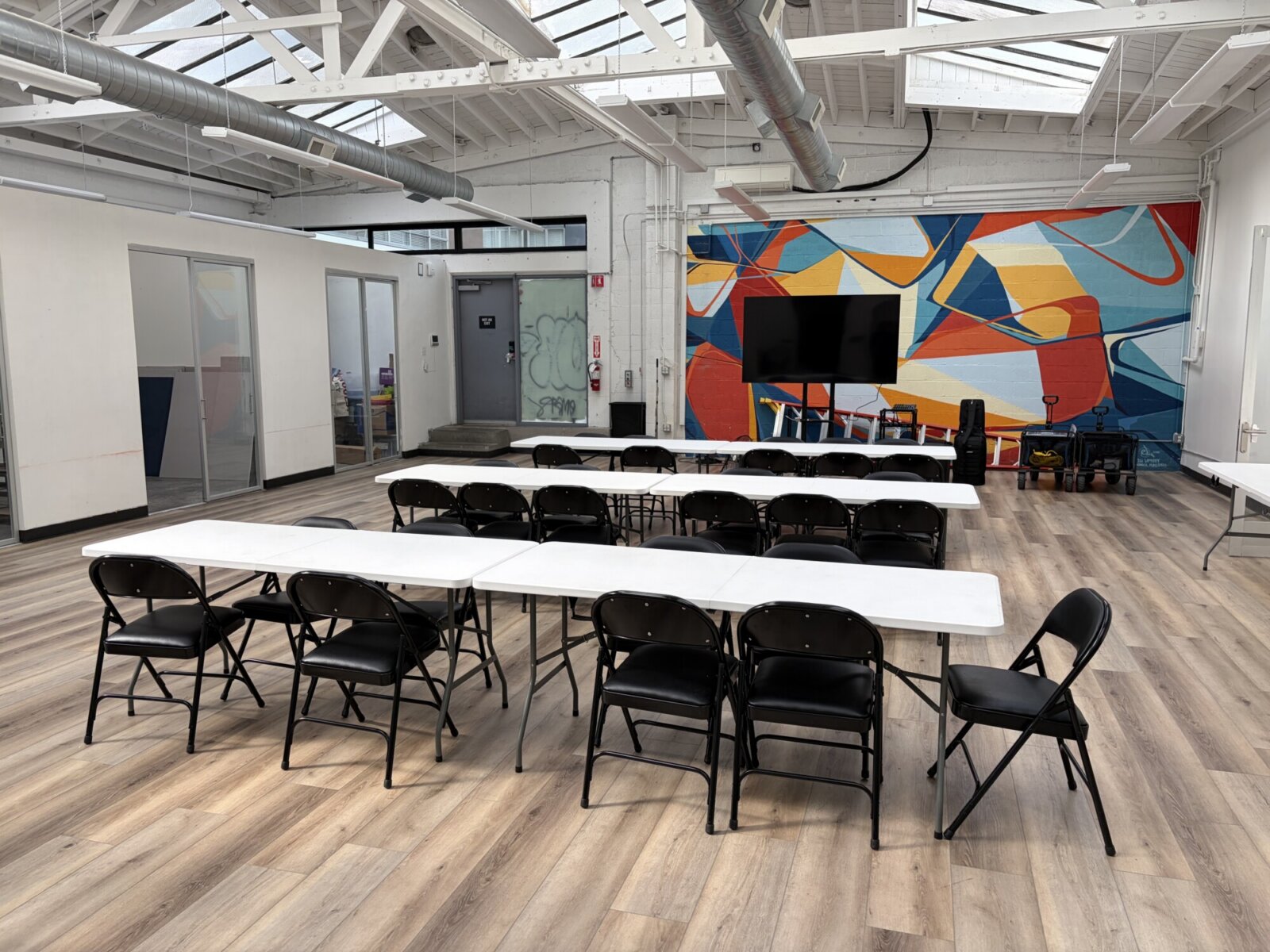
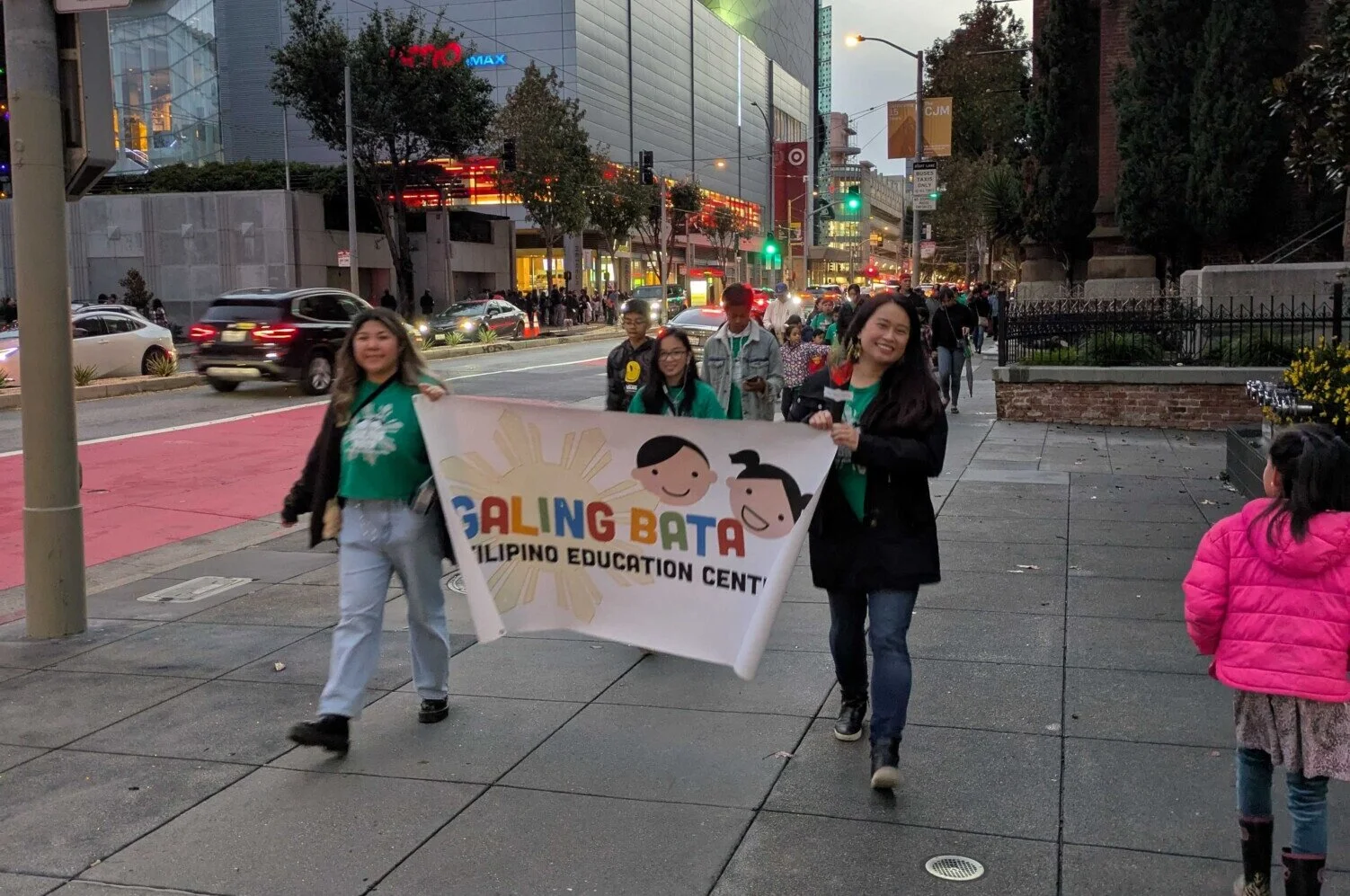
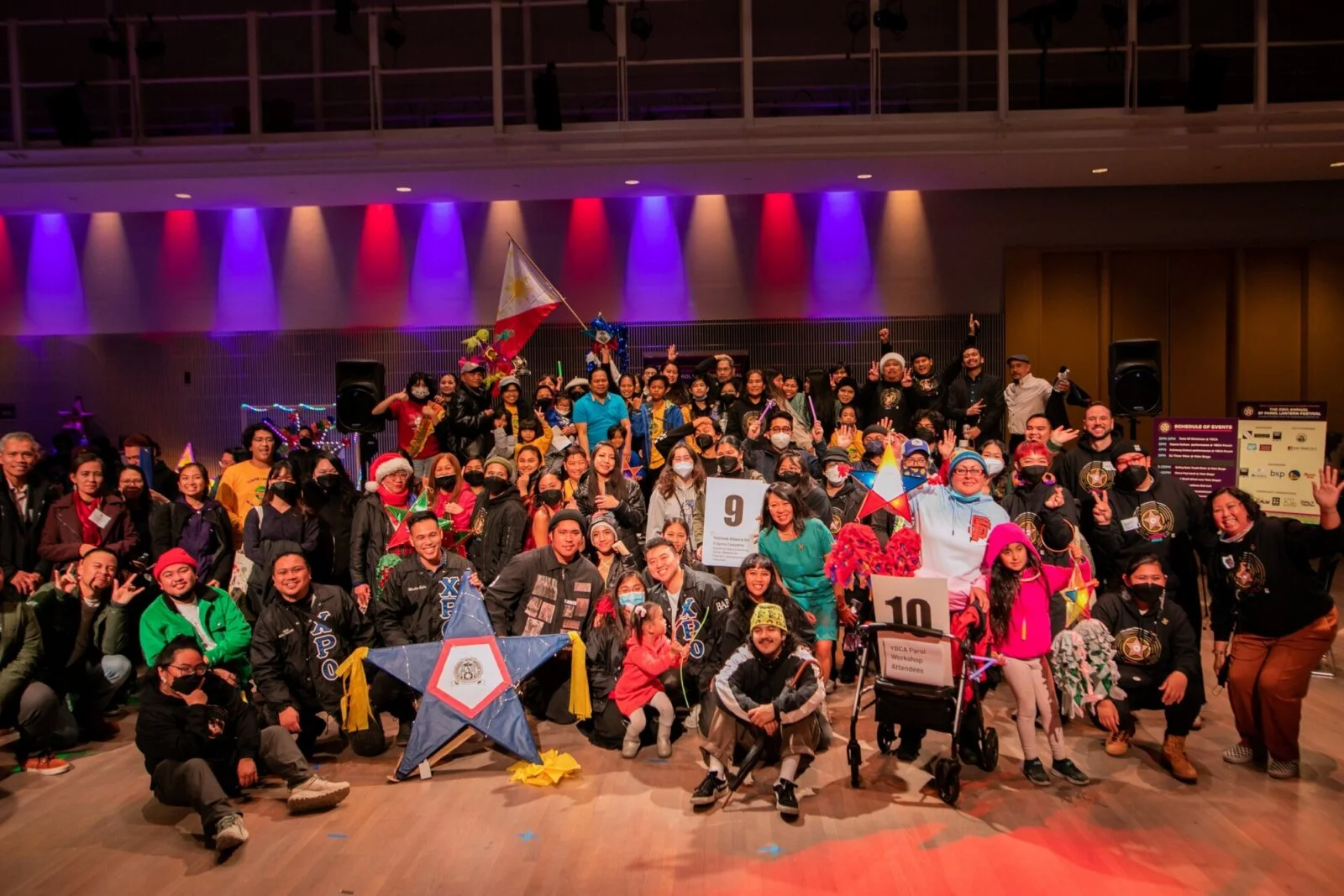
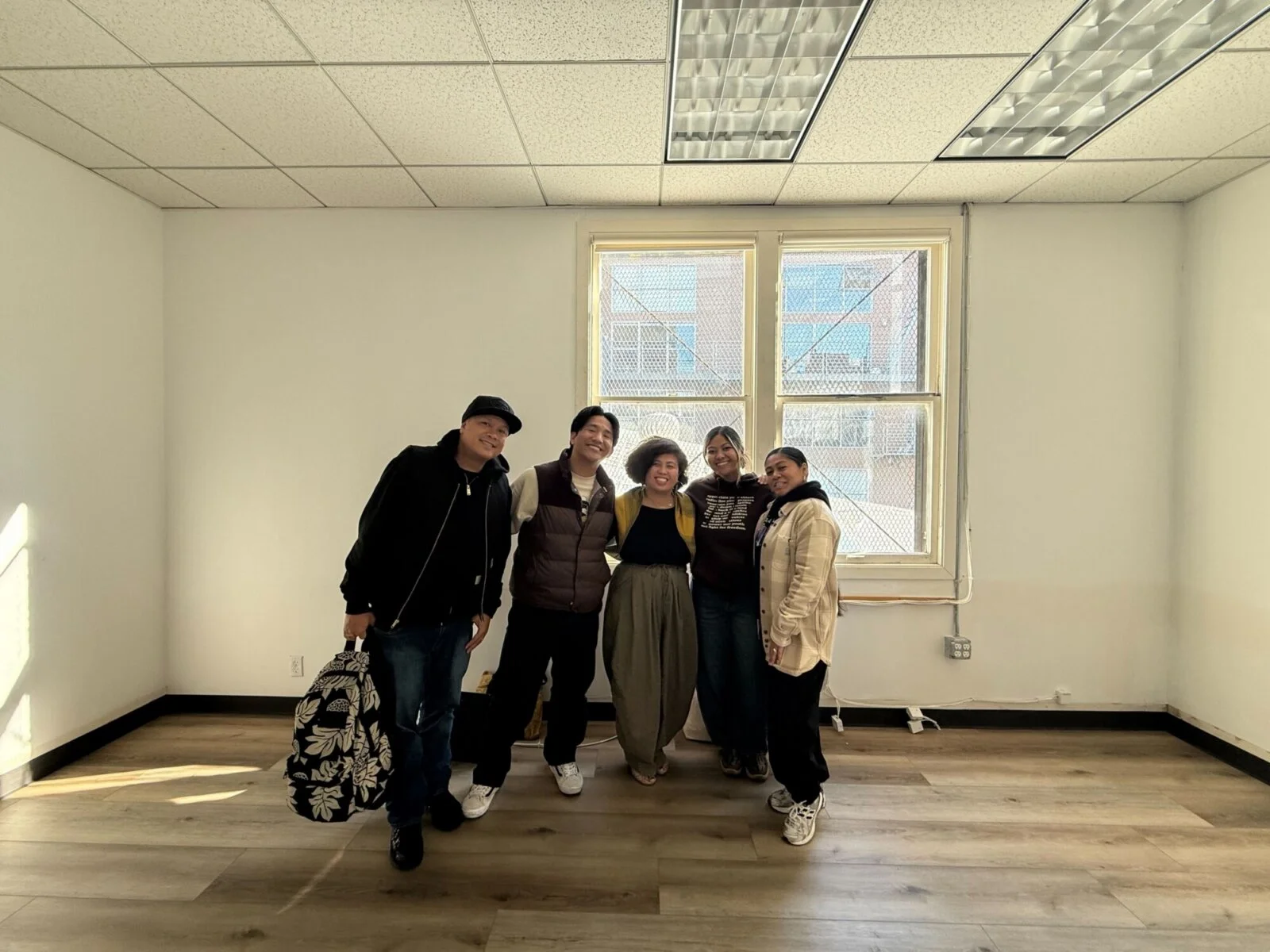
In March 2026, FADF and its partner organizations moved in, marking a major milestone in the activation of the site. FADF named their new home The Kalayaan Center, also known as the Ka Center, which means ‘freedom’ in Tagalog. The Ka Center now houses FADF alongside the Filipino Mental Health Initiative – San Francisco (opens in new tab), SOMA Pilipinas (opens in new tab), and the Filipino Education Center Galing Bata (opens in new tab). Collectively, these organizations serve low-income, immigrant, and intergenerational Filipino communities through integrated programming spanning mental health services, youth development, cultural preservation, and community wellness.
This partnership reflects a scalable model for arts and cultural real estate stabilization, leveraging public funding, nonprofit development expertise, and community-based leadership to secure permanent space for essential service providers and cultural institutions.
Visit fadf-sf.org (opens in new tab) to learn more about the Filipino American Development Foundation and its projects.