
The San Francisco Standard: A Market Street building is packed with new tenants. None of them are tech companies
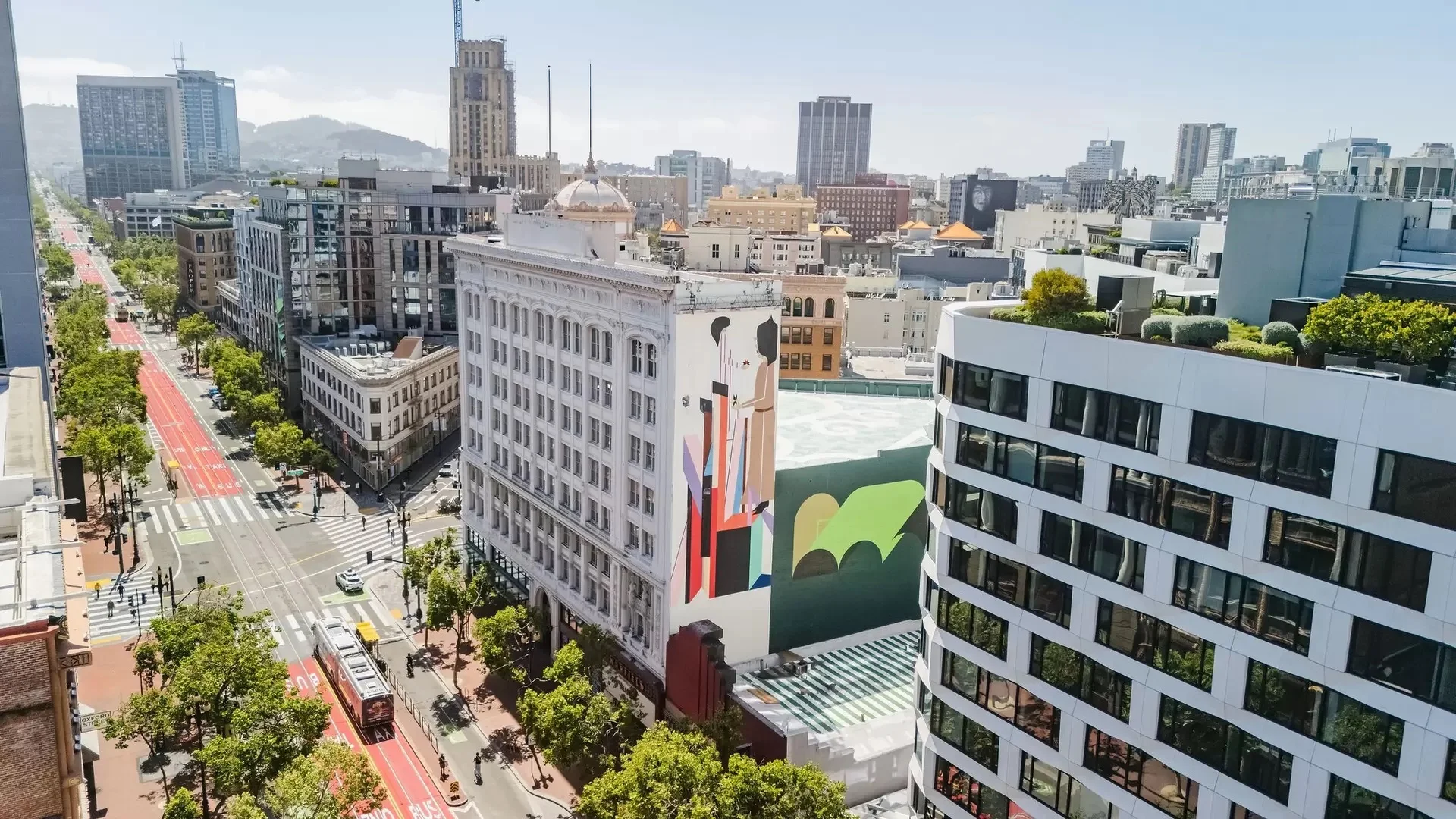
Warfield Commons at 988 Market St., Photo courtesy The Mogli
By Jessie Blough (opens in new tab)
In a sea of lease announcements for AI and tech companies, Warfield Commons is doing something different.
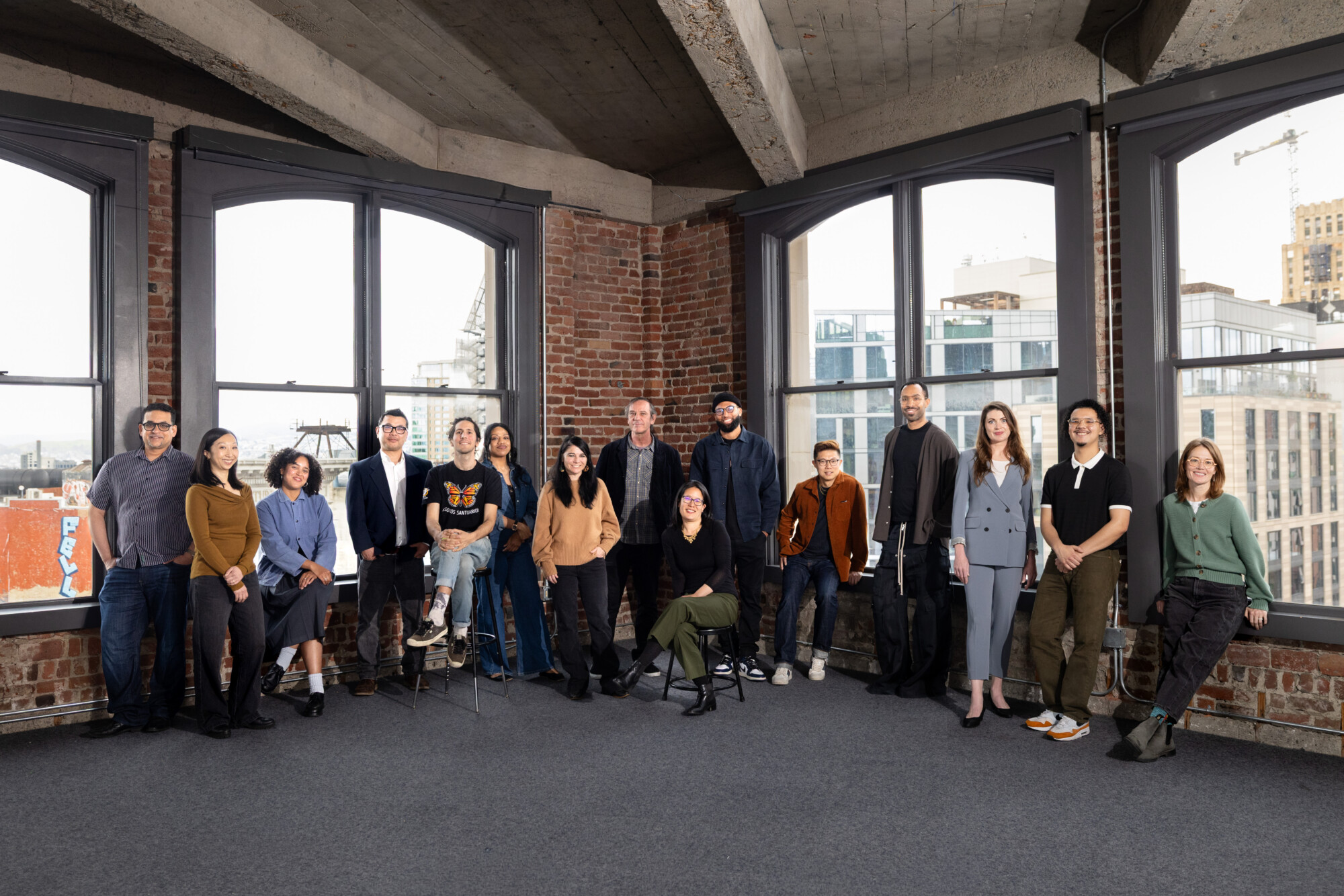
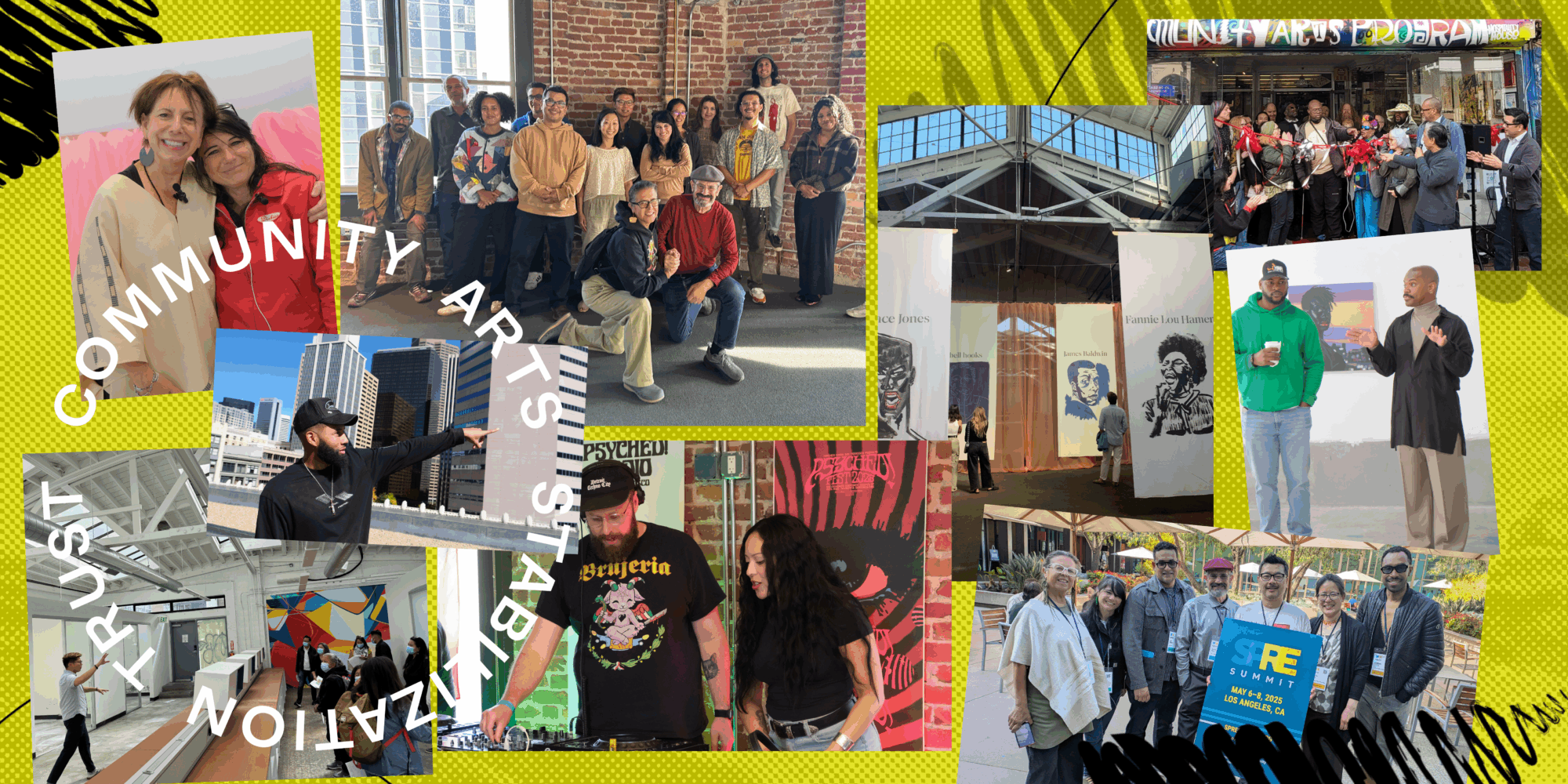
The building, which will host its grand opening Sunday, is marking the move-in of 11 tenants, all of them local media and culture organizations and artists. The goal is to provide a stable workspace and foster collaboration.
“We all work well together,” said Carolyn Choy, managing director of real estate for Community Arts Stabilization Trust (opens in new tab), a nonprofit development group that bought the building with KALW Public Media in 2025.
Having seen arts and indie media groups get priced out of the city for years, CAST and KALW bought the building for a fraction of its pre-pandemic value so they could offer low, stable rents instead of chasing the highest bidder. The hope is that community tenants can make a stretch of Mid-Market that was emptied out by the pandemic feel alive again.
Tenants include the Tenderloin Community Benefit District, which moved in this year after its headquarters caught fire, and Psyched! Radio SF, a DIY radio station and music festival producer. Puppeteer Ramon Abad’s stage and office take up one corner of the building.
Up to 40 spaces are promised for independent media creators; Coyote Media (opens in new tab) is moving in first. CAST and KALW have also relocated their main offices to the building. Three street-level units have tenants, including kitchen goods company and wine bar Mi Cocina, which relocated from the nearby shuttered mall.
The Warfield concert venue is a neighbor, but not part of the Commons.
The building is directly across from Frontier Tower, which is being marketed as a cutting-edge space for AI and crypto innovation — the higher the floor, the better the perks. CAST and KALW eyed that building before moving forward with 988 Market St., which has a beaux arts facade and rumored ties to Al Capone (opens in new tab) and the Grateful Dead (opens in new tab).
Pre-pandemic, the building was valued at $40 million, according to KALW Executive Director James Kass. CAST and KALW got it for $7.3 million.
The organizations raised $16 million from investors and philanthropy in their initial capital campaign, which covered the cost of the building and a round of tenant improvements. They’re in the process of raising $10 million more, which will allow them to keep rents stable long into the future.
The Commons will bring at least 150 workers to the area, which has struggled to regain momentum at the same pace as its neighbors farther up Market Street.
KALW occupies the eighth and ninth floors of the building, overlooking the concert venue The Warfield. To soundproof, the radio station had to raise the floors a few inches under its recording studios. While bands were soundchecking downstairs, the station was running checks of its own, making sure its measures could block out even the head-banging-est punk bands.
But KALW is hoping its proximity to The Warfield will spur collaboration. The radio station is planning a series of concerts featuring The Warfield’s opening acts, many of which are local bands. After daytime soundchecks, those bands will walk over and take the elevator to KALW’s ninth-floor recording studios.
“It’s kind of our own version of [NPR’s] Tiny Desk Concerts,” Kass said.
An opening party Sunday will feature aerial dancers Bandaloop dangling from the sides of the building, a puppet show, building tours, and food from local restaurants. RSVPs have been capped at 1,000; entrances for tours are being carefully timed to accommodate the building’s single elevator.
The Mid-Market area has struggled to rebuild since the pandemic, especially as hotel closures and shuttered office buildings emptied out local businesses. The Warfield Commons building once held offices (opens in new tab) for Match.com (opens in new tab), Benchmark, and Spotify, then was slated for conversion to housing before developers failed to find the money.
Kass hopes the focus on community could promise something more permanent and secure: “We’re all committed to San Francisco.”