
The Ultimate Upcycle: How SCRAP Found Its Forever Home
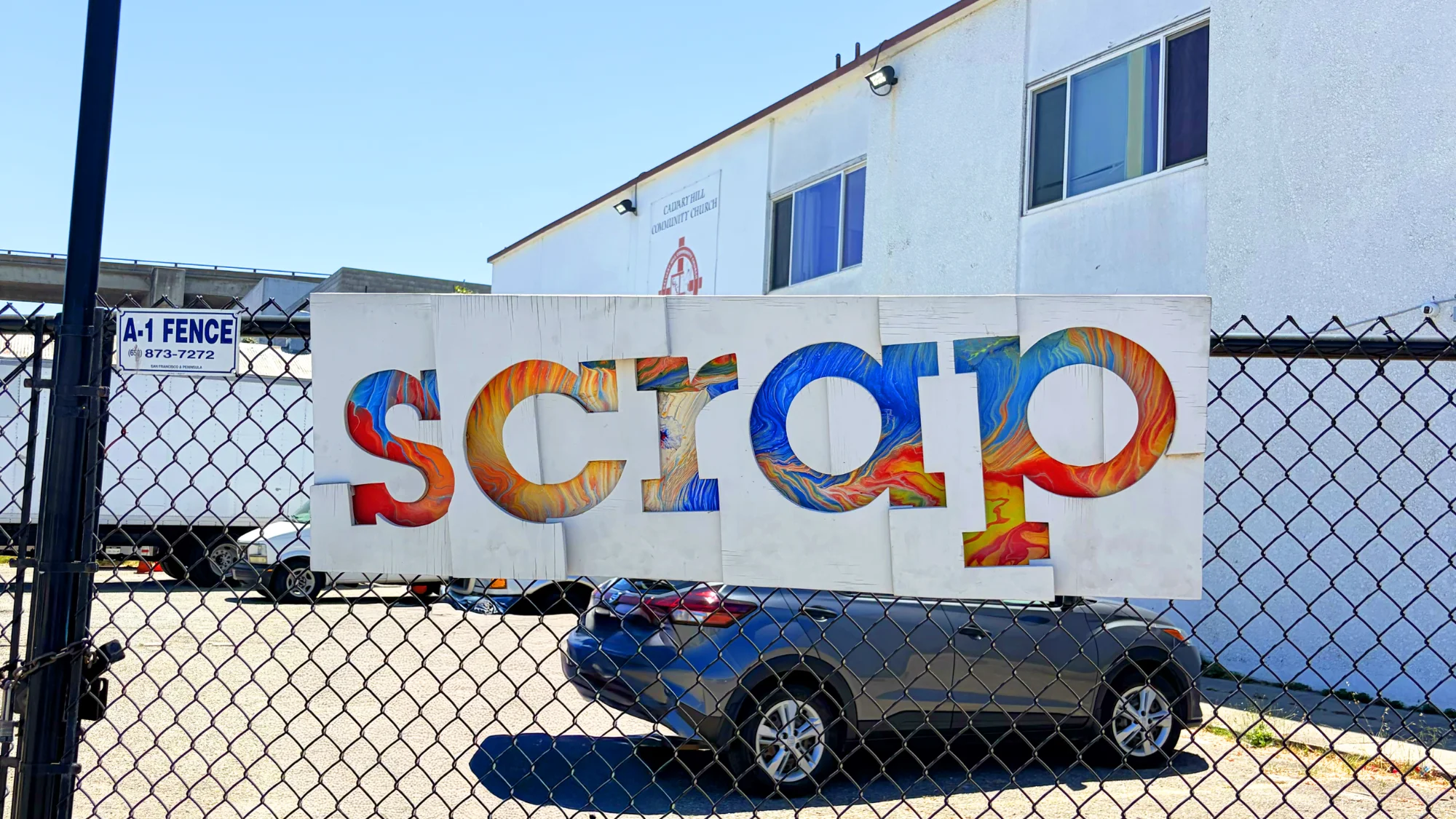
For nearly 50 years, SCRAP (opens in new tab) has helped San Francisco see creative potential where others see waste.
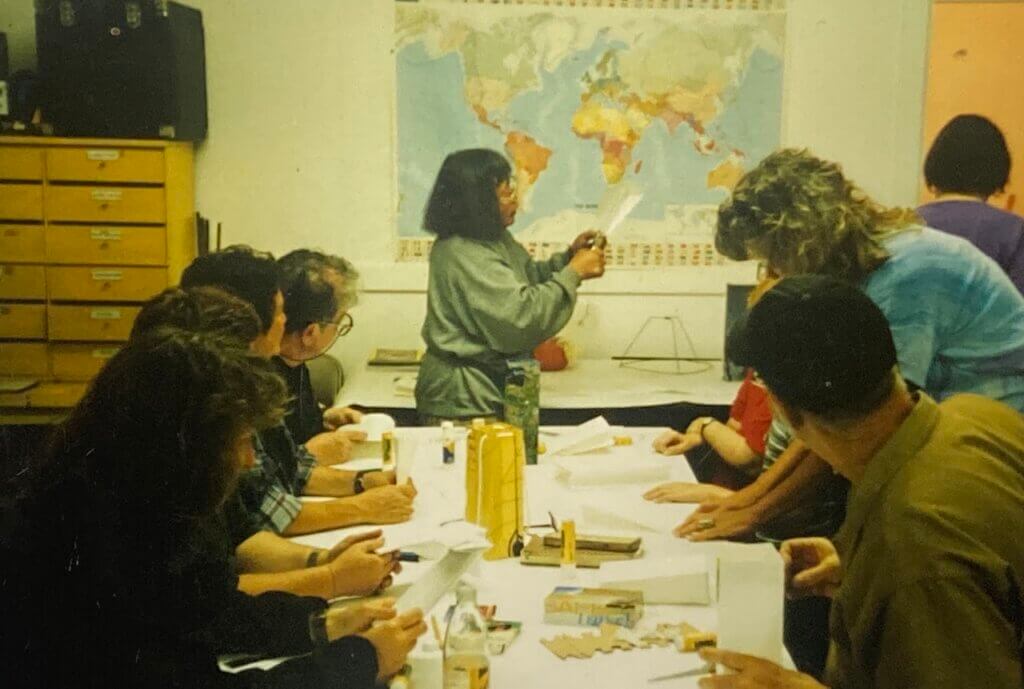
Founded in 1976 (opens in new tab) by arts community leader Anne Marie Theilen and artist Ruth Asawa, the nonprofit began with a simple but powerful idea: collect reusable materials from local businesses and redirect them into the hands of artists and educators. Nearly five decades later, that vision has grown into one of the Bay Area’s most beloved creative institutions. Through its creative reuse depot, educational programs, workshops, and community partnerships, SCRAP serves more than 45,000 people each year while diverting hundreds of tons of reusable materials from the landfill.
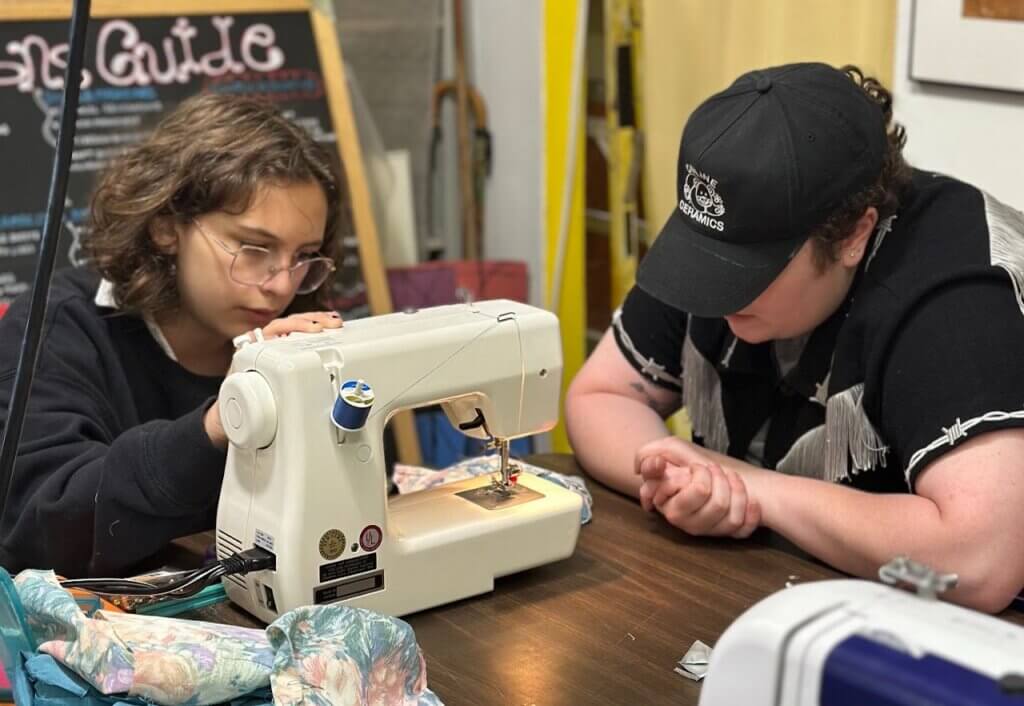
As the organization grew, so did its ambitions. Programs like SCRAP in a Box (opens in new tab) and Sustainable Fashion Design (opens in new tab) expanded its reach beyond its warehouse, bringing creative learning into classrooms and communities throughout San Francisco. But one thing wasn’t keeping pace: their home.
After more than 25 years in a San Francisco Unified School District warehouse, SCRAP learned it would need to relocate. Finding another building wasn’t enough. The organization needed a permanent home that could support its growing programs, staff, volunteers, and community for decades to come.
For many nonprofit arts organizations, that kind of transition can feel overwhelming. Purchasing commercial property requires an entirely different set of skills than running an arts organization. Facility planning, financing, fundraising, due diligence, operating costs, legal requirements, and long-term stewardship all become part of the equation.
SCRAP knew its mission, but they needed support navigating the real estate journey. That’s where CAST came in.
Preparing for a Purchase
SCRAP’s first touchpoint with our team was a visioning conversation about future cultural spaces in San Francisco. When the organization learned in 2024 that it would need to leave its previous location, SCRAP Executive Director Terry Kochanski reached out.
“[CAST CEO Ken Ikeda] came out to our space,” Kochanski said. “He had never seen it before. And that was really the start of this incredible mentorship that SCRAP had with CAST.”
What immediately stood out was not just SCRAP’s need for space, but the strength of the organization itself.
“SCRAP is a really fascinating organization, and I think what spoke to me immediately was the potential to support a model of social enterprise that is sustainable and actually has the ability to scale to a degree that can then underwrite and support acquiring space and holding space,” said Ken Ikeda. That is what made SCRAP a strong candidate for our support: their mission, need for a building, and readiness to learn.
A Reality Check Before Real Estate Readiness
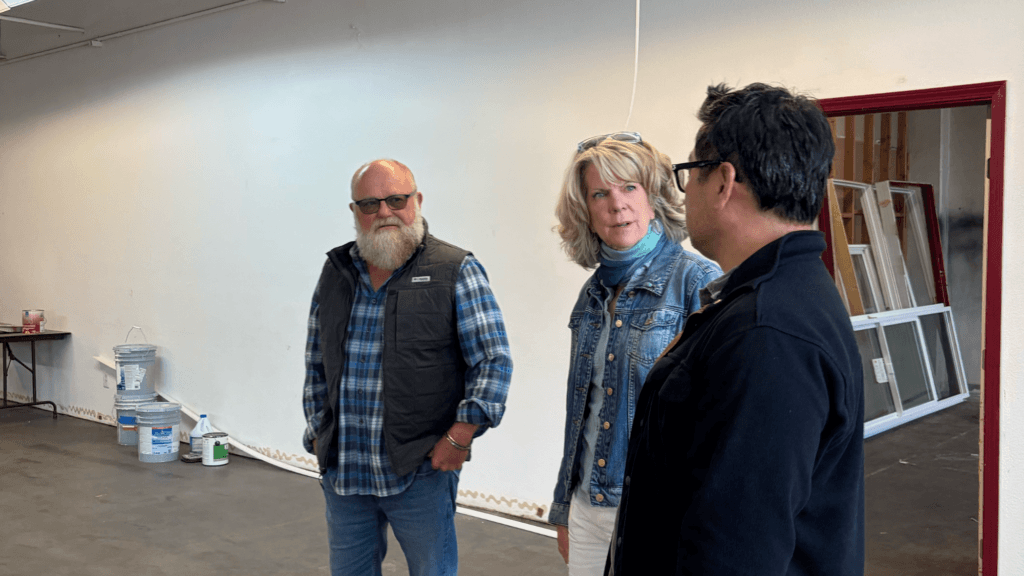
Before pursuing a building, SCRAP had to understand what it truly needed and what it could sustain. That process started with pointed questions and realistic self-reflection: How much space did the organization need? What kind of building would support its programs? Should SCRAP lease or buy? How much debt could it responsibly take on? How could a capital campaign support those goals? For Kochanski, those conversations helped turn an ambitious vision into a realistic plan.
“We really weren’t familiar with benchmark cost per square foot,” Kochanski said. “We didn’t know if we were going to rent or if we were going to buy. So there was a lot up in the air originally.” When Ken asked how much space she envisioned, Kochanski suggested a square footage estimate and together they assessed what was realistic for SCRAP’s finances. It was a conversation about grounding SCRAP’s vision. “[Ken] never discouraged me,” Kochanski said. “He never made me feel like I didn’t know what I was doing. He just took me through the math.”
For CAST, this initial reality check is a critical part of real estate readiness. Every organization’s path looks different, but readiness often includes leadership alignment, financial planning, fundraising strategy, operational clarity, and an understanding of how a space supports long-term goals. “SCRAP was ready,” Ikeda said. “Emotional readiness, physical readiness, collective readiness in terms of the board and leadership and community…all of those components mattered.”
A Bumpy Road Made Less Bumpy
Our role throughout the process was not to make decisions for SCRAP, but to serve as a trusted advisor and thought partner. Senior Advisor Joshua Simon provided real estate coaching, helping SCRAP navigate unfamiliar territory while asking the questions necessary to move forward.
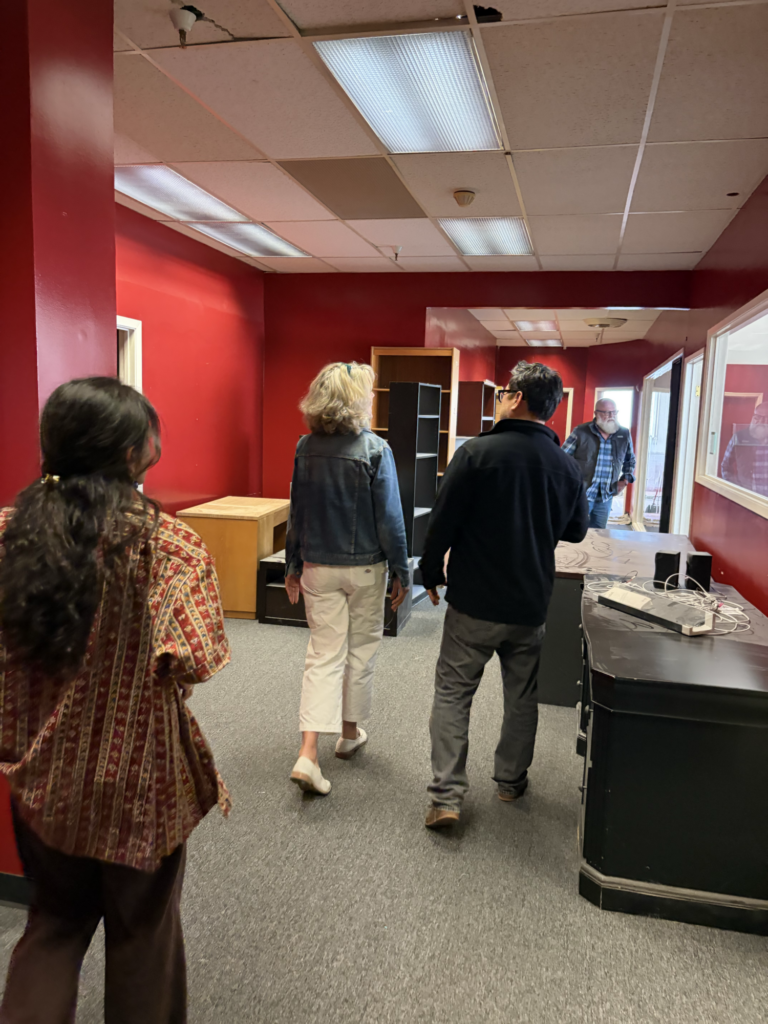
“We started with the end point in mind, which is they had to move,” Simon said. “There were a couple of ways we could do that. One was in partnership with CAST as a multi-tenant center, and one would be that SCRAP would find its own building.”
As SCRAP explored options, we helped the organization evaluate properties, understand costs, think through facility needs, and prepare for ownership. Working alongside SCRAP’s staff, board, and Real Estate Committee, we helped the organization navigate each stage of the process with greater confidence. “Our job was to point out the issues to be concerned about,” Simon said, “so they were moving forward with the advice of an experienced real estate developer.” That guidance became especially valuable as the process accelerated.
SCRAP’s relocation timeline was shaped by the future redevelopment of its SFUSD-owned building, giving the organization a limited window to find, purchase, and move into a new home. “We felt this deadline right behind us,” Kochanski said. “We felt like we really needed to move fast and we really needed to make decisions quickly.” But SCRAP also knew this was not a decision it could rush. “This was too big of a deal,” Kochanski said. “We weren’t going to forsake what SCRAP needed because we really knew this needed to be an investment in our future.”
As SCRAP moved toward purchasing its new building we helped link them to additional resources and partners, like Community Vision (opens in new tab). Through these connections, SCRAP was able to assess its long-term financing strategy and access affordable capital to support its acquisition. Our network became just as important as our technical expertise.
As Simon explained, nonprofit acquisitions are rarely simple.“They tend to be more difficult than for-profit deals because they use more funding sources,” he said. “They require fundraising, and they often are not sufficiently capitalized to bring in all the expertise that such a project warrants.” Having a trusted partner can make that road more manageable. “It can make what is inevitably a bumpy road less bumpy,” Simon said, “and take a little pressure off nonprofit staff so they can stay focused on their core programs.”
Throughout this process, Kochanski found that our support provided both a safe space for curiosity and clarity around SCRAP’s future. Reflecting on the partnership, she shared, “[I appreciated] not only what [CAST] did for the organization, but what they did for me as the executive director and leader of the organization. It was less scary to know that the CAST team was there to support and to figure out with me what the next step would be.”
A Permanent Home for Creative Reuse
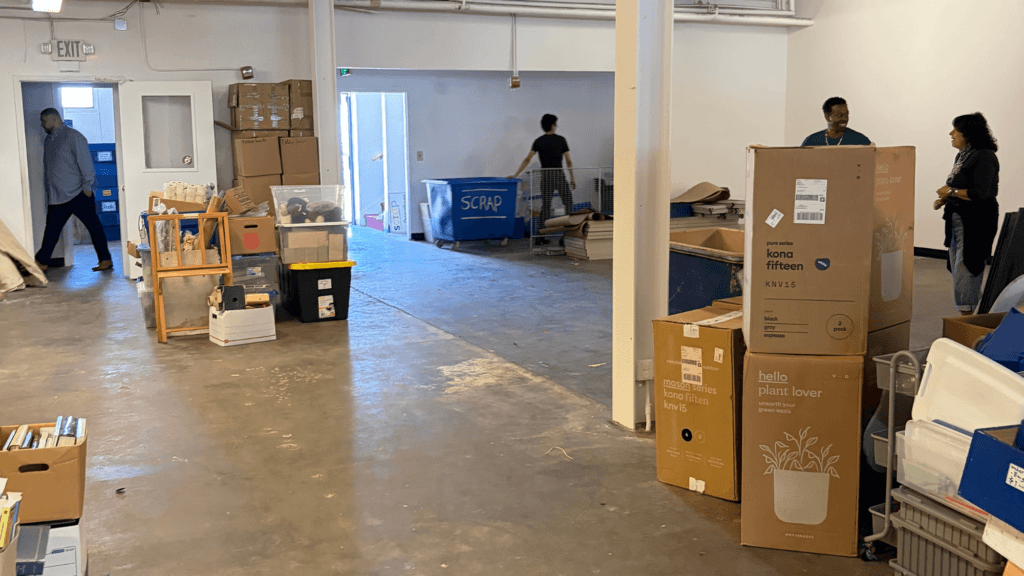
Ultimately, SCRAP purchased a 26,000-square-foot building at 141 Industrial Street in San Francisco’s Bayview neighborhood, creating room for expanded programming, workshops, material processing, and future growth. The building offered something the organization had long needed: room to grow.
“In the old location, we had one room that could host a workshop, or it could host volunteers getting materials ready to go on the floor, or it could host one of our pop-up sale events,” Kochanski said. “We could only do one of those at a time.” SCRAP now has dedicated areas for workshops, volunteers, materials processing, events, and expanded programming.
The location also allows them to remain rooted in the Bayview, where it has built relationships for more than 25 years. “It was important that we didn’t lose our community,” Kochanski said. “Not only the people coming to the depot, but also the majority of our community programs are in the Bayview or direct surroundings.”
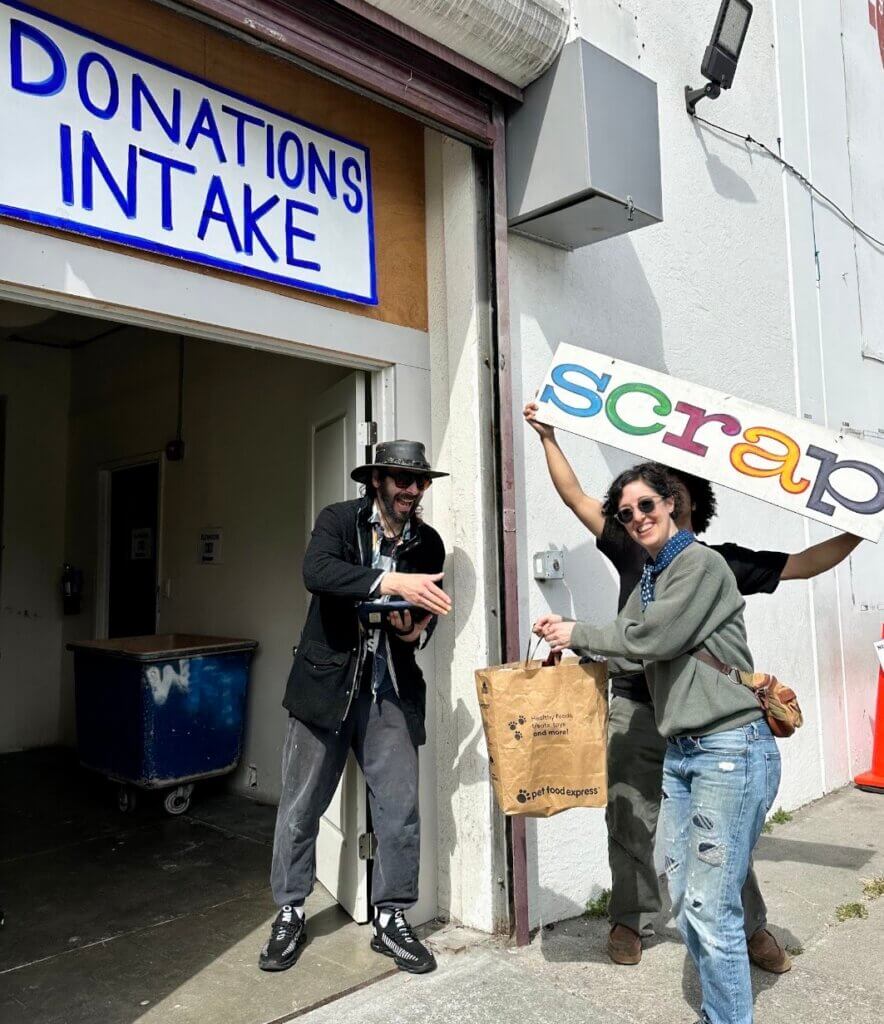
The Power of Community
Connecting communities to the right people at the right time and developing relationships that yield positive ripple effects is precisely why this partnership matters.
While we were not an equity partner investing material dollars in this instance, our investment is perhaps more meaningful because the partnership has been people-powered from the start. SCRAP’s success demonstrates that there are many pathways to permanence. Some organizations may partner with us to acquire and steward space. Others may pursue ownership independently with the support of trusted advisors, community partners, and resources along the way.
For us, supporting organizations before they enter a transaction is a critical part of our work, regardless if we end up owning, co-owning, or investing in the final purchase of the building. “We spend about 70% of our time in pre-development support and relationship building,” Ikeda said. We are now exploring ways to expand this work through cohort models and other programs that help organizations imagine, plan for, and prepare for future spaces. The earlier organizations begin that process, the better positioned they are when opportunities arise.
“Rapid response does not work well in real estate,” Ikeda said. “You can be ready for a couple of years, and you’ll probably be better positioned and handle the process with less stress and more confidence.”
Expanding What’s Possible
SCRAP’s new home is a reflection of decades of community investment, organizational growth, and creative problem-solving.
Looking back on the journey, Kochanski returns to the importance of partnership. “The biggest [lesson learned] is to use your resources,” she said. “Don’t go it alone, even in the beginning, when you’re kind of visioning and dreaming.”
For other arts and cultural organizations considering their own real estate journeys, she emphasizes the importance of seeking guidance early, learning from peers, and building the right team.
“Use your resources that are out there,” she said. “It will fine tune what you vision. It will put it in the financial realm of what you can realistically afford.”
After years of imagining what a permanent home could look like, SCRAP is finally arriving.
Their doors will officially open to the public at their Grand Opening celebrations (opens in new tab) on August 15, 2026. Help them settle into their new space, expand their operation, and grow their programs by supporting their SCRAP to the Future Capital Campaign (opens in new tab).