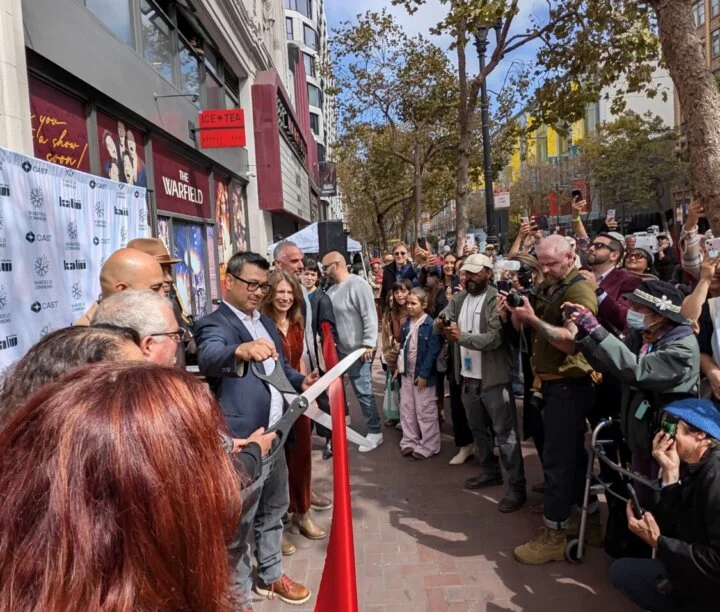

A New Home for SF Public Press: Lila LaHood on Community, Journalism, and Warfield Commons
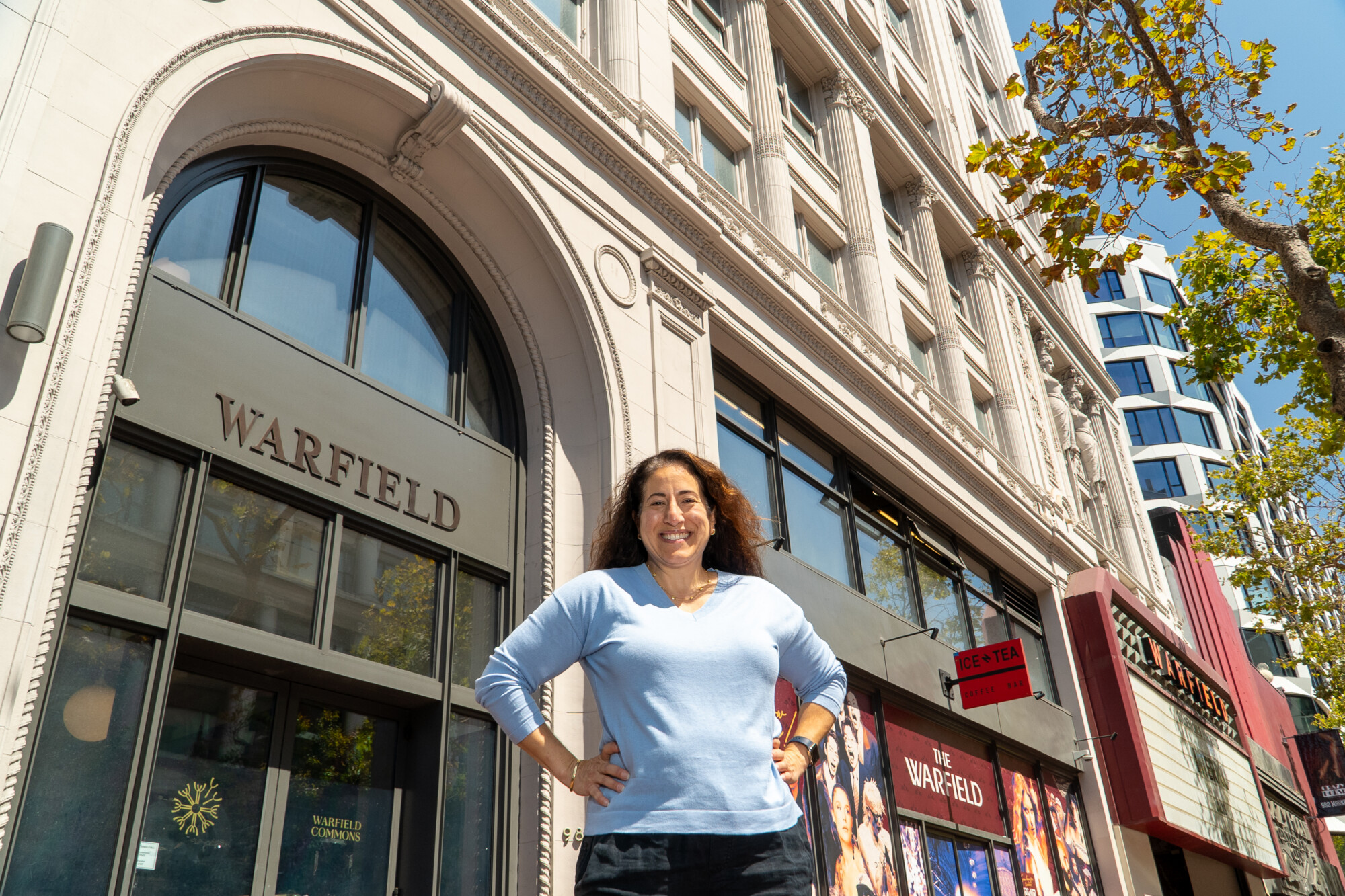
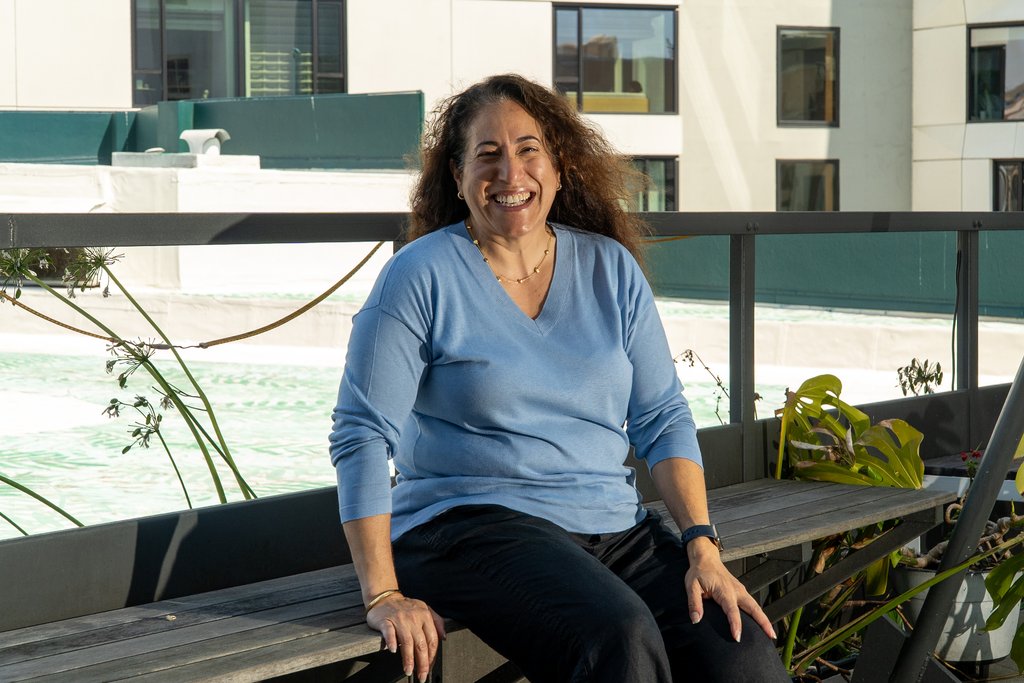
San Francisco Public Press Executive Director Lila LaHood in front of Warfield Commons, August 2026. Photo by Neal Wong.
Developed in partnership between CAST & KALW Public Media
Interviews & content drafted by KALW Community Journalism Director Hanisha Harjani
This interview is part 3 of a 4-part Breaking Ground (opens in new tab) blog series exploring the people, places, and ideas shaping San Francisco’s Mid-Market and Tenderloin communities. As Warfield Commons (opens in new tab) opens its doors, we’re taking time to listen, learn, and get to know the communities that have long been rooted here and to explore how new neighbors can show up for each other.
The San Francisco Public Press (opens in new tab) is a nonprofit newsroom that has been around for nearly two decades. The organization has been covering San Francisco through many different changes and right now, they are in the midst of a transition of their own.
KALW met SF Public Press Executive Director, Lila LaHood on a Friday afternoon as she was moving into the 6th floor of the Warfield Commons. Boxes were stacked high in columns all over the room as windows revealed sunny scenes from the bustling city.
Lila talked about how it feels to be a new tenant in the building and her hopes and dreams for her newsroom, the community of the Warfield Commons, and beyond.
This interview has been edited for length and clarity.
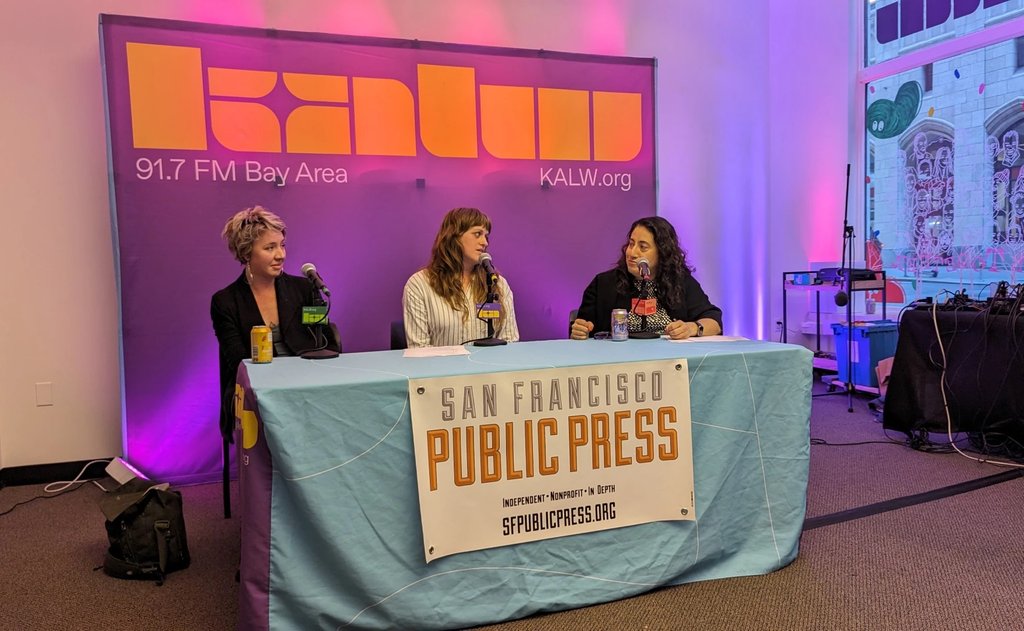
KALW: What is it like to run an independent media organization in the moment we are in right now.
LILA: It is exciting and challenging in equal measure to run a nonprofit news organization at this moment. As journalists, there’s so much to write about. There’s so many stories to go after, and in some ways it’s hard to choose. Especially as a small organization, we can’t cover everything, so we need to be selective.
So journalistically, it’s a fascinating time. It’s also a scary time because a lot of decisions are coming out of conversations and negotiations that are happening behind closed doors. And I’m concerned that we’re losing some of that transparency and accountability that we’ve taken for granted, that we assumed was baked into the system.
KALW: In these unprecedented times for the journalism industry, what opportunities are you seeing? What’s giving you hope?
LILA: We have great community support, and I think even more people in the community would support us if they knew about us. One thing on our mind is the need to grow our audience because there’s no point in doing what we’re doing if people aren’t benefiting from the reporting and the storytelling.
So one of our big challenges is reaching more people, engaging more with people who haven’t heard about us before, connecting with different community groups, and more partnership and collaboration.
One of the reasons we’re excited about being in this building is the potential for working with so many amazing organizations. Although we’re not doing the exact same work, there are a lot of adjacencies and opportunities for us to work together on exciting projects that would serve communities that we’re all interested in.
KALW: So the SF Public Press offices have been in Hayes Valley. How does it feel to be moving into a new space and specifically into this neighborhood?
LILA: The funny thing is, we’re actually coming back to this neighborhood. We actually had an office on Mission between 5th and 6th.
Now we have many new people with the organization now who don’t have the experience of being in this neighborhood but Michael Stoll, one of the co-founders of the Public Press, and I remember the days of being here. It’s been really interesting to see how the Mid-Market and Tenderloin areas have changed and evolved over time.
This is really a crossroads and I think it’s a great place for us to be. This is a really exciting part of the city. We’re gonna be able to keep an eye on City Hall, and be closer to some of the people and communities that we do a lot of reporting on.
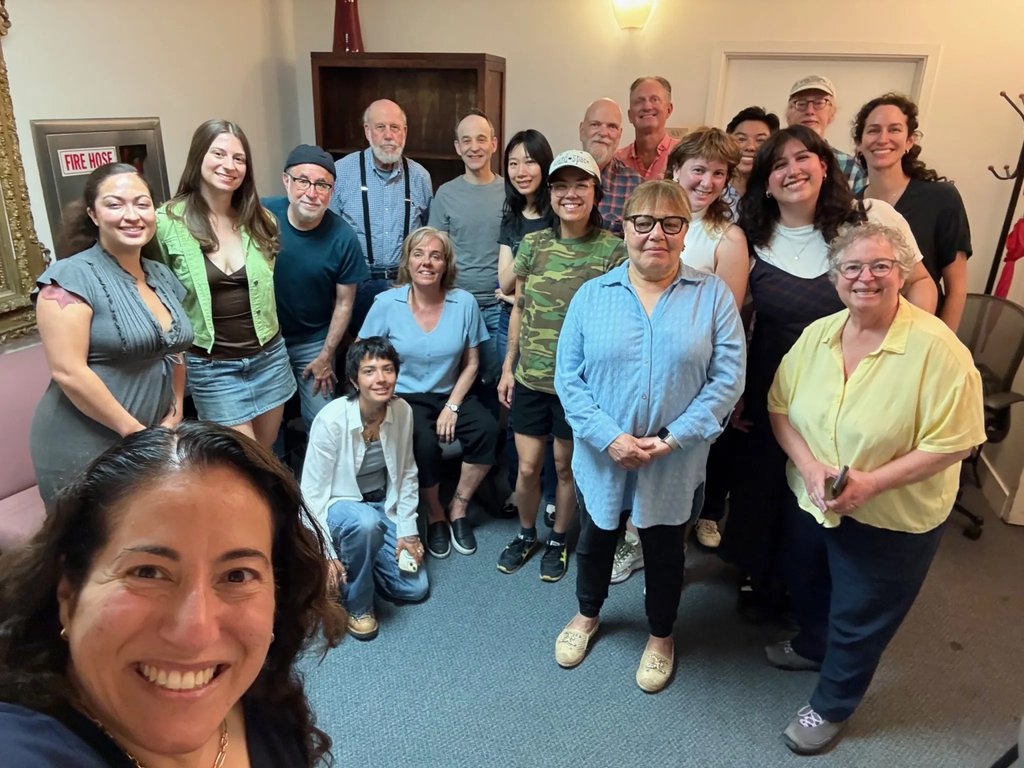
KALW: What is the experience of returning to this neighborhood like? What has changed?
LILA: I think if you stay in the city for any amount of time and you watch any neighborhood in the city, they all evolve. You see different businesses coming in and out. You see different traffic patterns. You see more or fewer people on the street.
Just today, I felt like there were a lot of people on the street. Maybe because it’s a beautiful sunny day in the summer and the kind of day when people do tend to come outside but I hope it’s also a mark of just more people being out in this neighborhood and curious and just living their lives.
One thing that I would add that’s different about the Public Press — when we were here in our old office was the era when we had our print edition. It was going strong. We actually launched it in that office.
If anybody wants to see our print edition, we are bringing that archive here to our new home.
KALW: Tell us about what led you to move into the Warfield Commons.
LILA: Yeah, everybody’s been asking us, “Why are you moving?” and I think people often assume that you’re moving because you got kicked out, and we didn’t. We had great landlords. We were very happy there for many years. But we moved because of a positive opportunity.
We’re really excited to be sharing the floor with the San Francisco Museum of Performance and Design. I’m thrilled about the mix of organizations that are gonna be represented here. Some of these organizations are very familiar to us, and some are new. I’m looking forward to getting to know lots of people and perhaps finding new collaborative partners to work with.
I can’t wait to be involved in this community — not only the community of this building but the broader community. There are a lot of people for us to connect with in this neighborhood and it just feels like things are buzzing here in a really important way.
I think there are a lot of eyes on this neighborhood and attention on this neighborhood. I wanna say we should have ears on this neighborhood, too, because it’s easy to be excited coming into a place, but I think we also need to listen to the people who are already here and what they say is going on and what they’re looking for.
‘Cause it’s not just about swooping in and saying, “Hey, look, we put together this amazing thing. Isn’t this cool?” But also checking in with the people who are already here and saying, “What do you think?”
KALW: How does it feel to move into an affordable dependable space to put down roots in?
LILA: It feels really good. It’s actually a slightly larger space than we’ve been in before, which I think is going to be good for our reporting team.
I think this is a good location for a lot of people. I think having a more comfortable space where people can come together and meet. Also once people are in the newsroom, it is easier to get to many other parts of the city from this location.
KALW: Has your move into the Warfield Commons changed the way you’re thinking about planning for the future for the SF Public Press?
LILA: One of the many reasons that I think it’s important for us to be here is I do think this is a place that’s going to draw attention. Attention from the community, attention from partners, and potentially attention from people who are looking to invest in organizations that have something to contribute to the community. And I hope we’re included in that.
KALW: What are your dreams here? How do you imagine being a part of the Warfield Commons?
LILA: One of the reasons that we are so happy to be part of this community is because I know so many of the organizations here are about putting on a lot of free events for the public, and that’s part of our ethos. We all have spaces where we might invite people up and in, but I know there’s conversation about having street-level space which I think is the most welcoming and inviting kind.
Because even if people are interested in what you’re doing, it can be maybe intimidating or feel like an obstacle to go into this building and go up to a space that you haven’t seen before. But to be able to see through the windows what’s going on inside before you make the decision to go in, I think that’s helpful.
That’s another thing that I think was really thoughtful about how this all was conceptualized, that it’s about having a connection to the street and what is already happening here and creating something where people can see and then decide, “Do I want to be part of this? Do I have some thoughts about what’s going on in there that I want to, you know, either say yes or no to for whatever reason?” I think it’s good for the public to have those opportunities to give that kind of feedback.
KALW: Is your move in here changing how your newsroom is thinking about doing reporting in the newsroom?
LILA: One of the things that we do encourage with our reporters, especially when somebody is just starting out with us, but even when they’ve been around for a while, is having conversations both with existing sources and cultivating new people who they’re talking to, where they go and have conversations just to find out what’s on people’s minds.
Because it’s very easy to think, “Oh, I know what to cover. I know what the stories are. This is what’s happening with the Board of Supervisors. This is what came out with this press release. That’s the story.” That’s a story. That’s part of the story. But talking to people about ongoing issues and concerns and the things that just feel like chronic unsolved problems or pain points, and figuring out what are ways we can talk about these things where it doesn’t just feel like you’re throwing your hands up and saying, “Well, that’s how it is, and that’s how it’s always going to be.”
But finding out what people are talking about amongst themselves, what they care about, what they think needs to be done, which sometimes isn’t what local government is doing or isn’t what those who may have more power in the situation are advancing. People do have ideas for how to solve problems, how to make their neighborhood better, how to make their lives better, they’re looking for somebody else in the community to connect with where they could work together and maybe solve this problem, which is another reason that creating opportunities for people to convene and meet with others who care about the same issues, because you never know what kind of accidental matchmaking might be facilitated by just bringing people together.
KALW: How are you thinking about being a new neighbor in the area?
LILA: There are a lot of local businesses in this neighborhood. I think if you’re coming into a neighborhood it’s good to check out the local businesses. Find the ones that you’re gonna support and become a regular. It’s good to make friends in the neighborhood. You know, maybe it’s gonna be your favorite restaurant or coffee shop or corner store. I would say especially the ones that have been around for a long time, let’s help them stay there. I think maybe that’s kind of a counterpoint to gentrification — who is here that has the potential to stay here but needs people to continue supporting their business.
KALW: How is being in this space changing the way the SF Public Press is thinking about engaging with community?
LILA: So we’ve done a lot of events on our own, and we’ve done events with partners.
It’s about taking these different communities that have evolved on their own and saying, “Hey, you might have things in common.” Not necessarily everything, but there’s interesting overlap and opportunities for discovery and exploration.
So I think that’s one of the interesting things about not just partnering with other news organizations, but partnering with arts organizations or community groups or organizations that have a particular focus that might be an area that we also report on.
We can team up and say, “Hey, you’ve got experts. We’ve got reporters. We’ve got a community that’s interested in the focus of all your work. Why don’t we come together and host a conversation where people can meet others who share this interest and ask questions, learn something, and then go out into the world with new ideas, new opinions, and ways to share what they’ve learned with their friends and family?”
About Hanisha Harjani
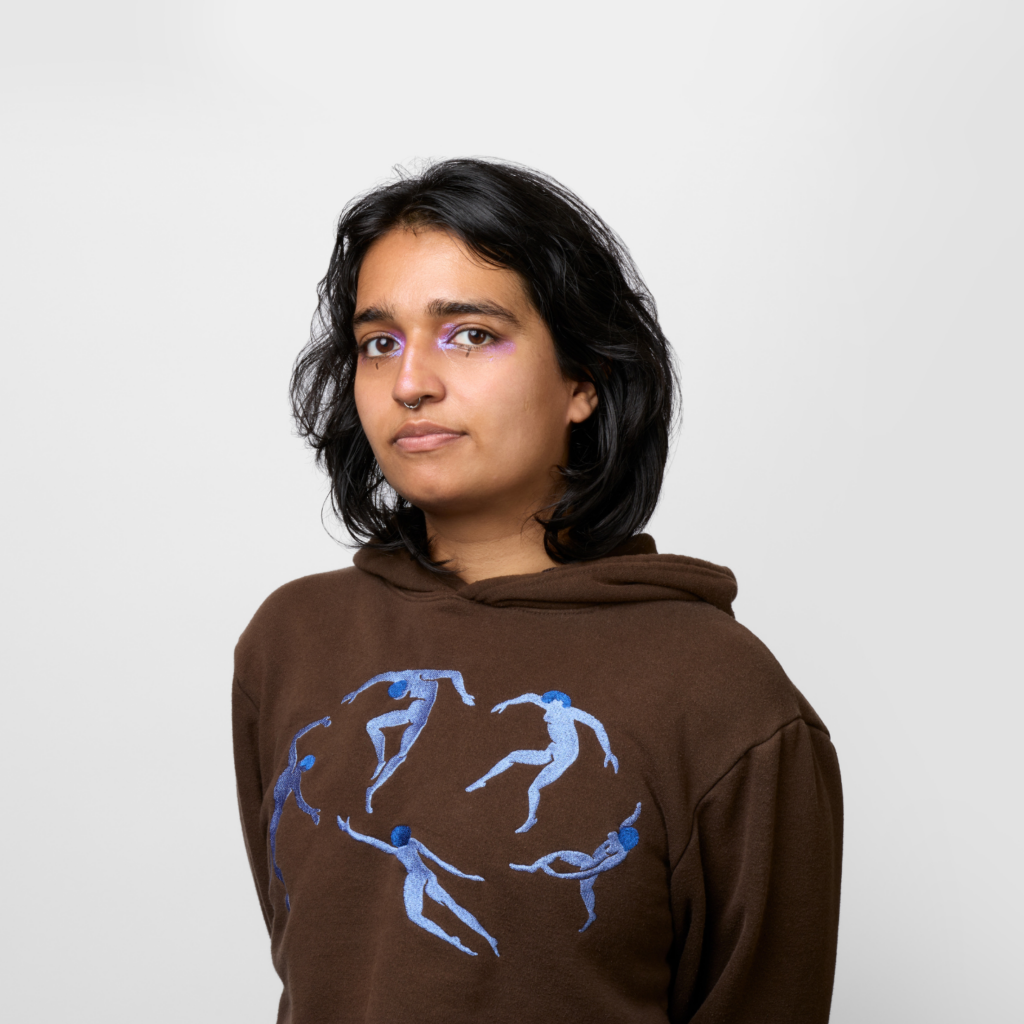
Hanisha Harjani is a journalist, educator, and multimedia artist living on unceded Ohlone land. They’re an award-winning reporter, producing work for outlets like NPR, The Guardian, the Markup, and the San Francisco Chronicle, where they’ve helped tell stories about mommy blogging, conversion therapy, psychedelics, dating apps, and satanism — among other things. They currently work as the Community Journalism Director at San Francisco NPR member station KALW (opens in new tab), where they facilitate training programs for new and early-career radio reporters taking non-traditional pathways into journalism. They also produce experimental radio show — transmissions from [the psychic deli] (opens in new tab) — on online community radio stations.
Read the series
This four-part blog series was developed in partnership between CAST and KALW Public Media, with interviews and content drafted by journalist, educator, and multimedia artist Hanisha Harjani.
- Community of Practice
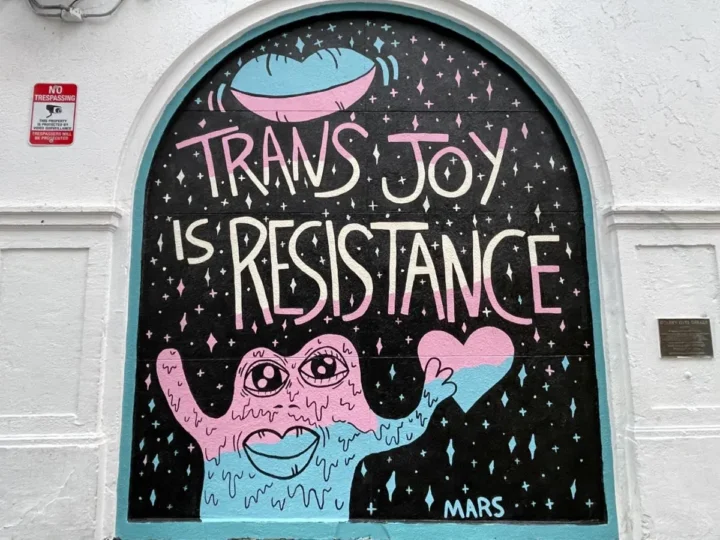
Beyond the Headlines: Carolina Osoria on Trans Joy, Community, and the Tenderloin
Carolina Osoria of the Transgender District talks trans history, joy, community power, and what meaningful allyship looks like in the Tenderloin.
- Community of Practice
“Fall in Love with the Tenderloin”: A Conversation with Del Seymour
Del Seymour shares what makes the Tenderloin feel like home, how the neighborhood has evolved, and what he hopes new neighbors will understand about the community.
- Community of Practice
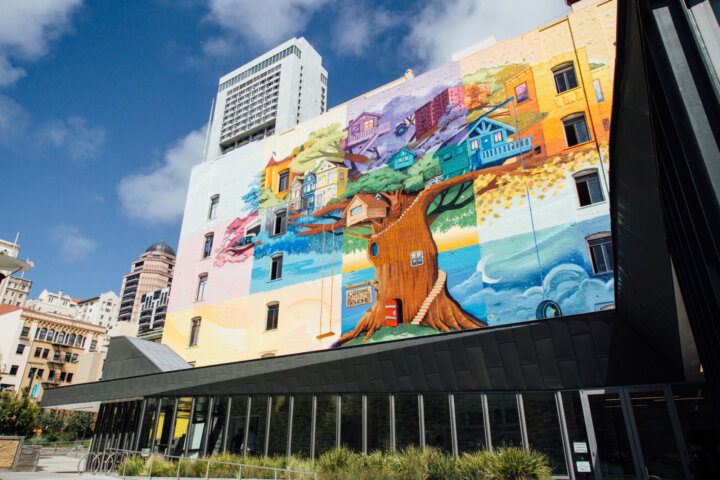
Warfield Commons Meets the Neighborhood
Lila LaHood on how it feels to be a new tenant in Warfield Commons and her hopes and dreams for her newsroom, the community of the building, and beyond.